
We regenerate territories through community-based action
We work alongside communities and land stewards to restore soils and forests, strengthen sustainable productive systems, and generate knowledge that contributes to forest care and regeneration in Chiapas, with a focus on the Highlands and the Central Depression regions.
Forest Nurseries
Strategic production for ecological restoration in Chiapas.
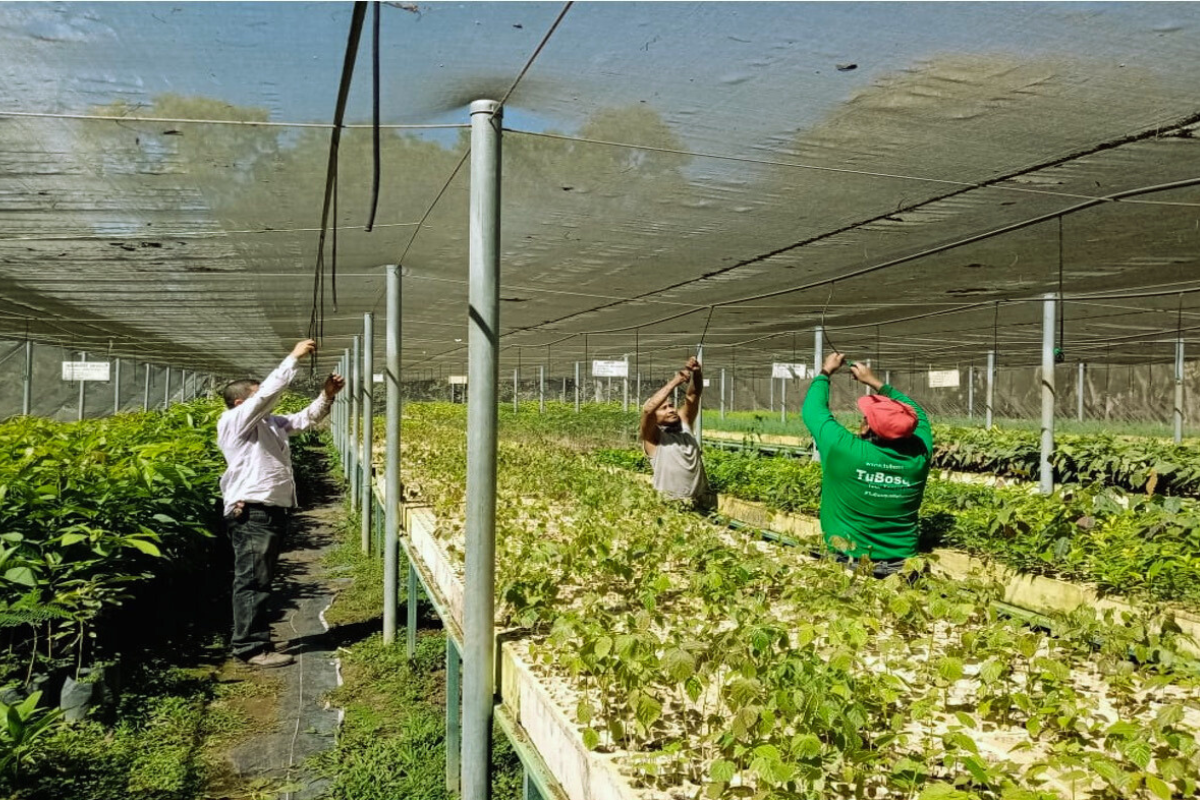
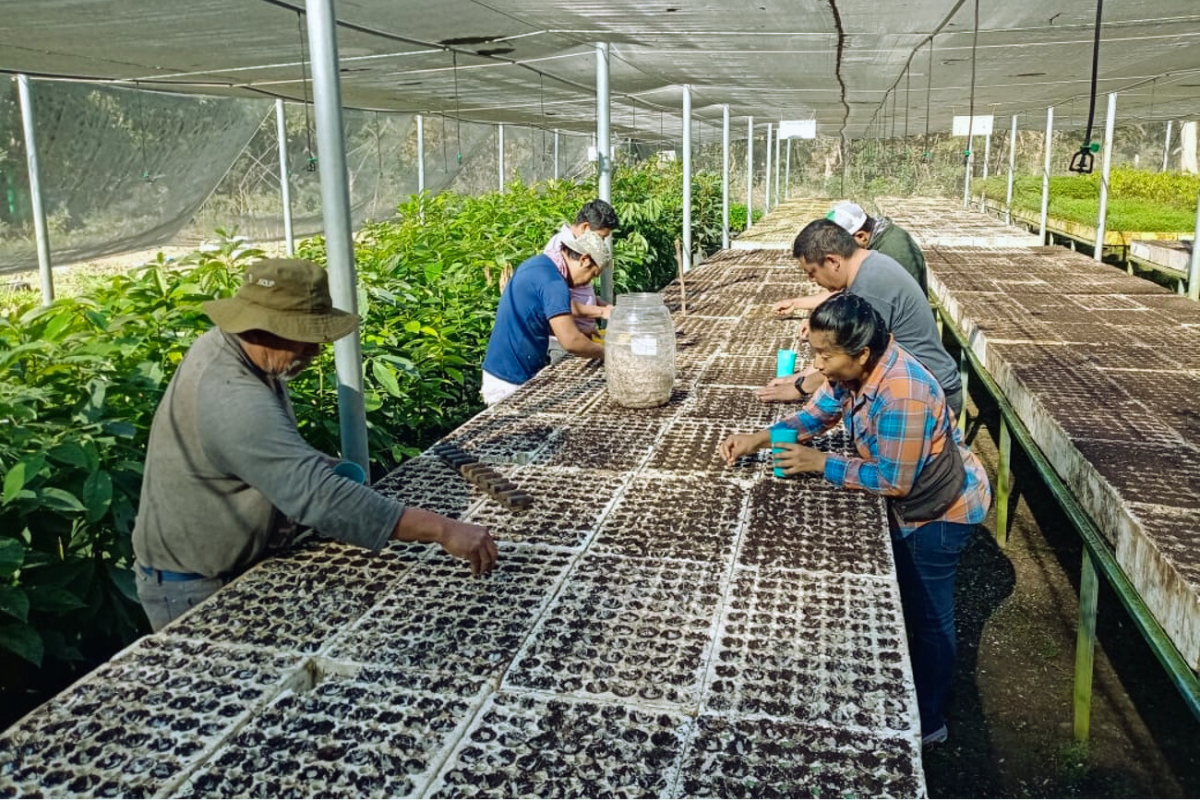
We produce forest and fruit tree seedlings adapted to each region.
Our nurseries sustain community reforestation efforts, ensure biological diversity, and provide the material needed for agroforestry systems and regenerative projects.
• Leading producer of seedlings in the Highlands
• More than 30 native species
• Foundation of regional restoration
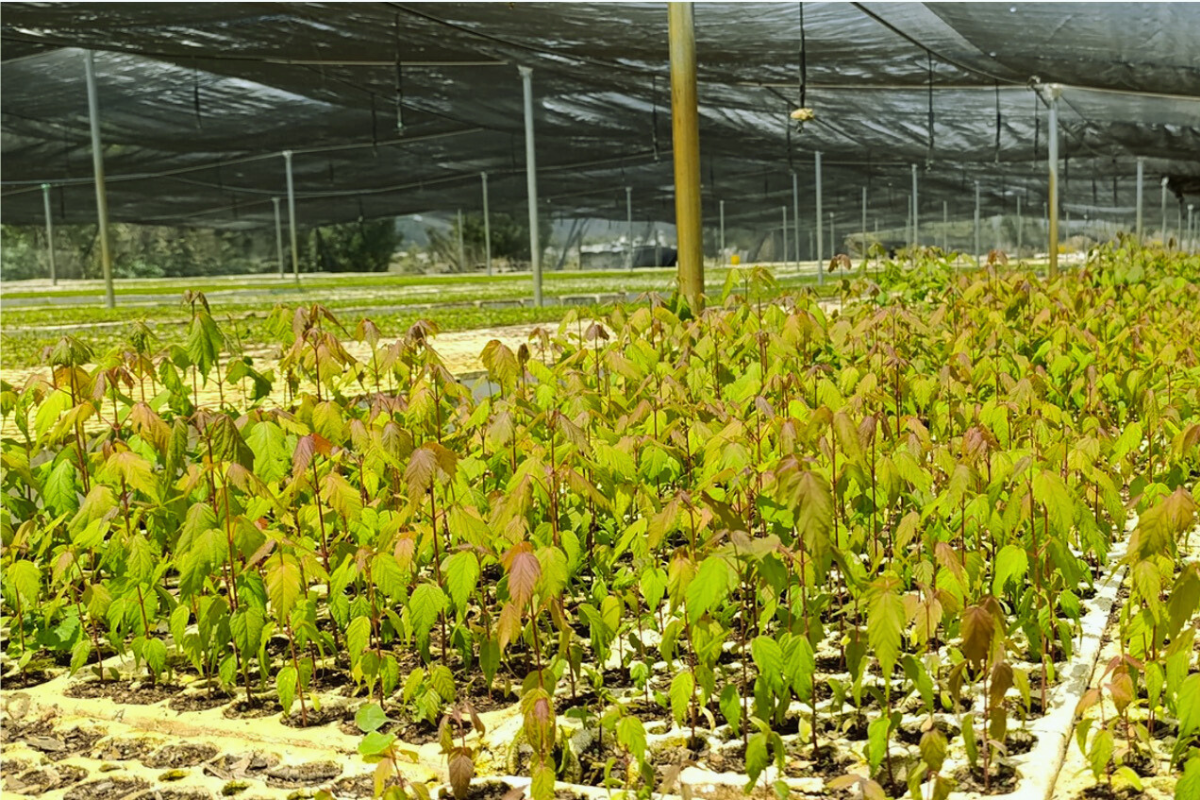
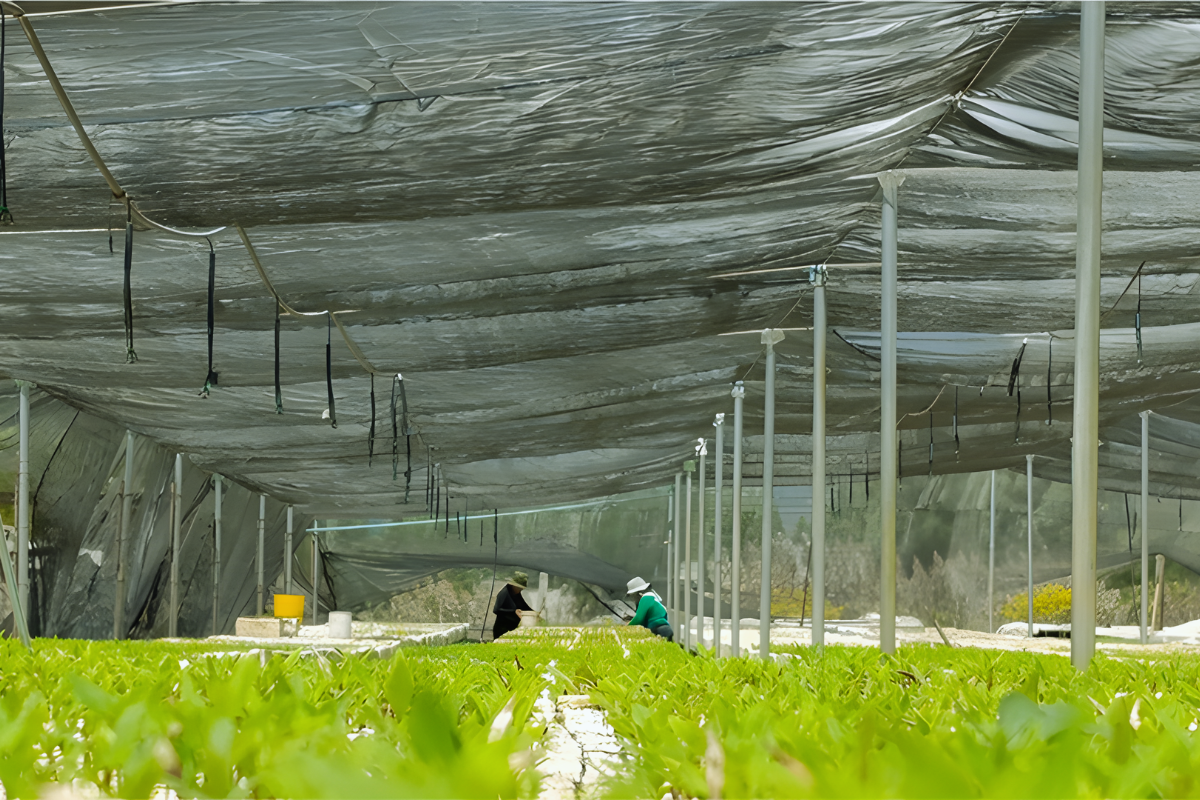
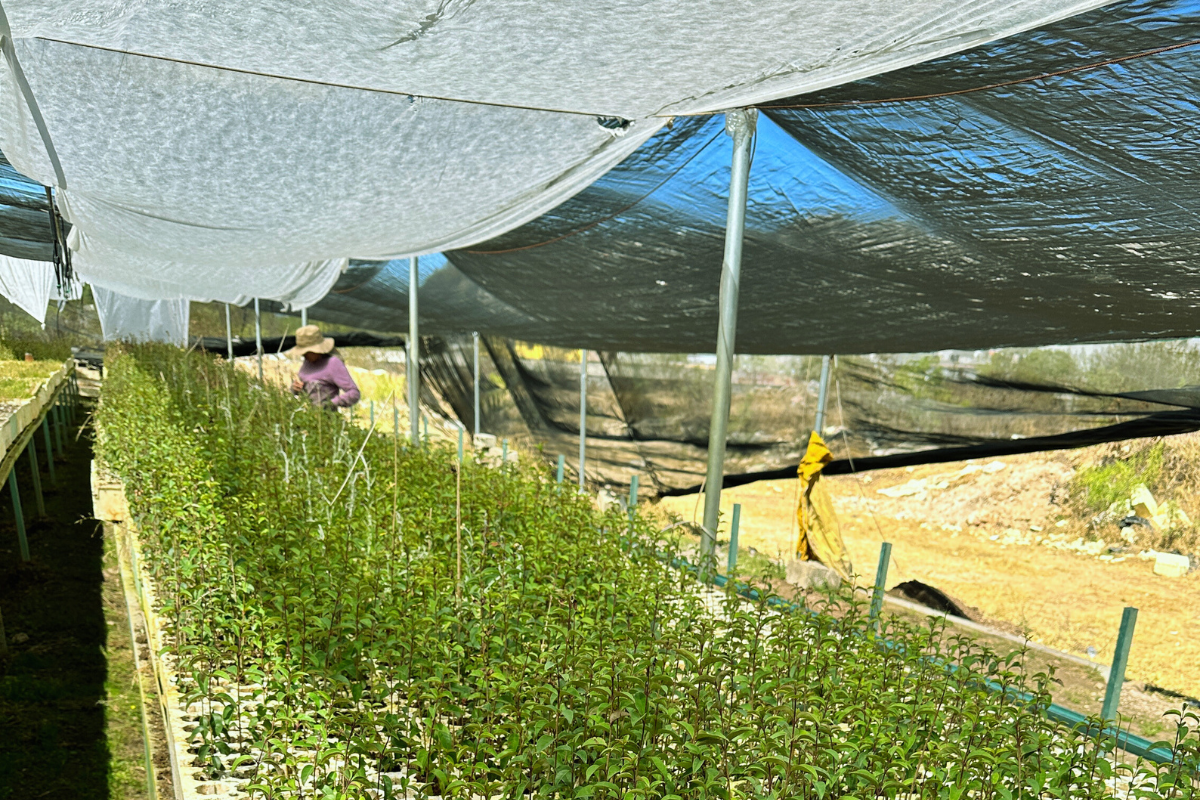
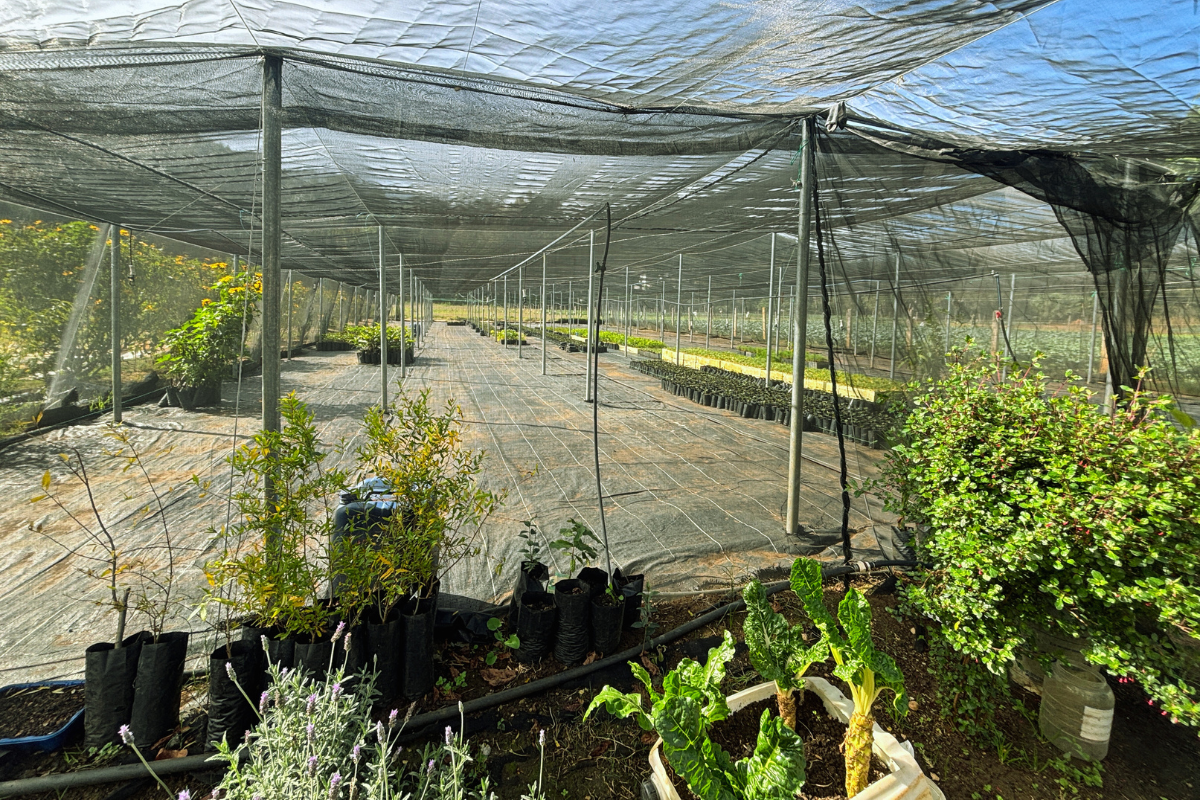
“Humedales” Nursery
Region: The Highlands of Chiapas
Located in the municipal center of San Cristóbal de Las Casas, in a temperate subhumid climate region at 2,200 meters above sea level, with annual rainfall exceeding 1,100 mm.
Production capacity:
🌲 300,000 Forest seedlings
🌱 8 Species produced
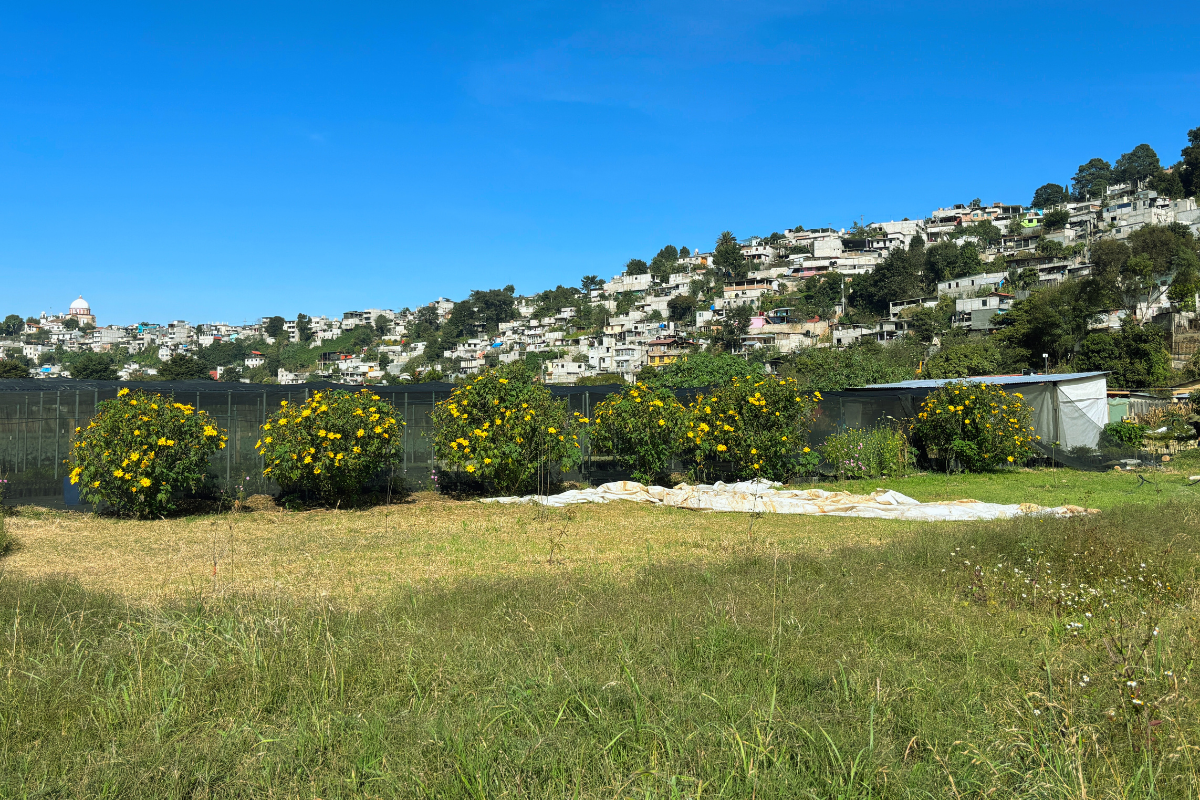
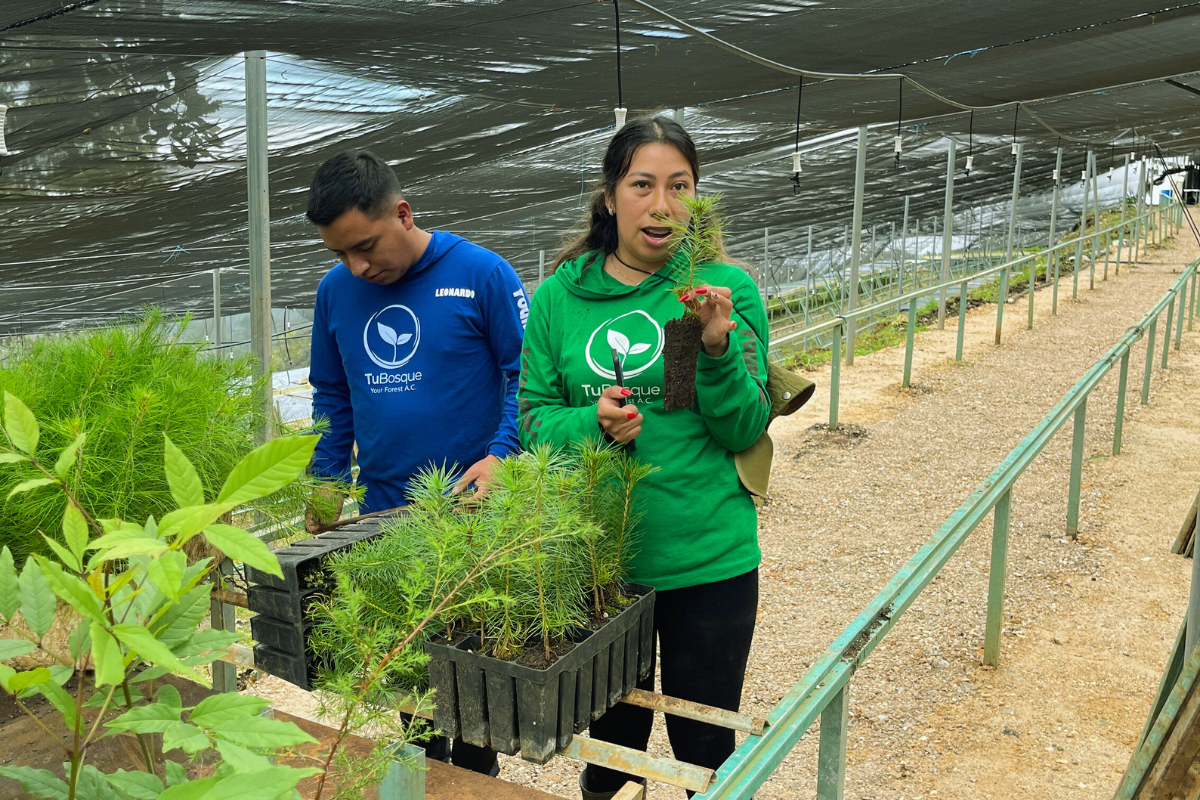
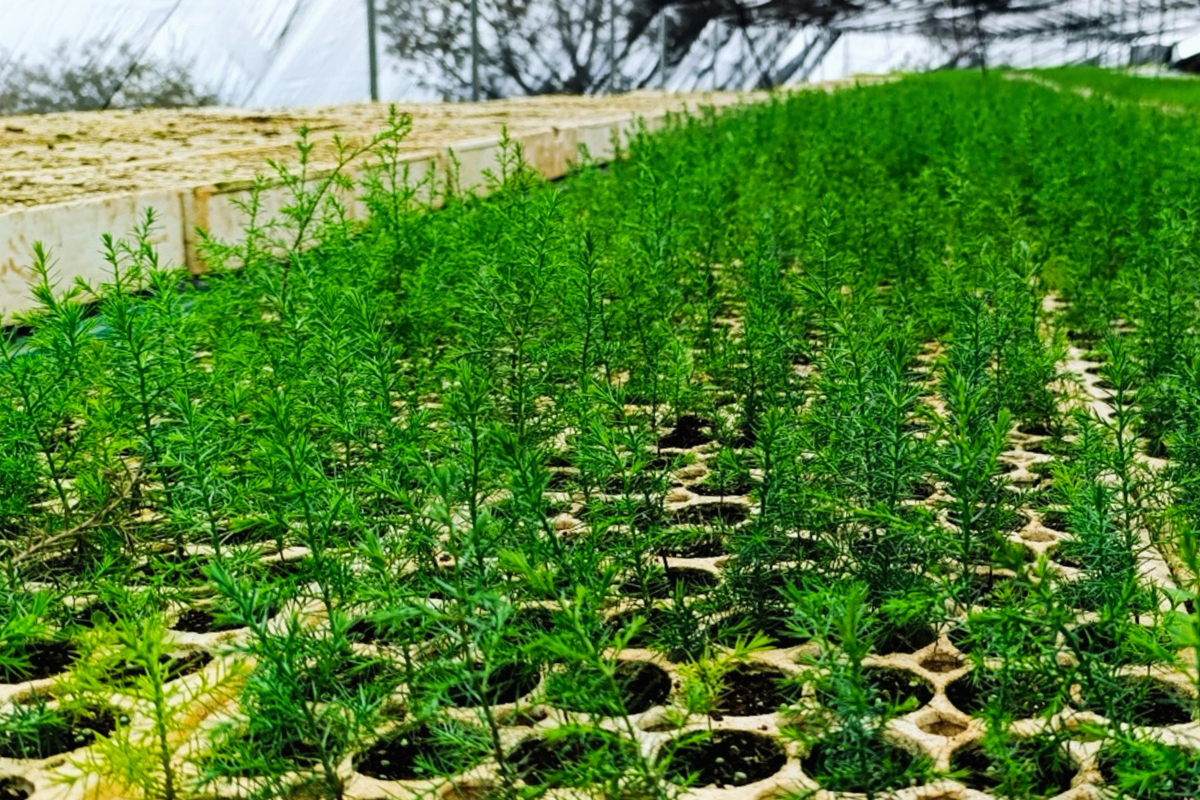
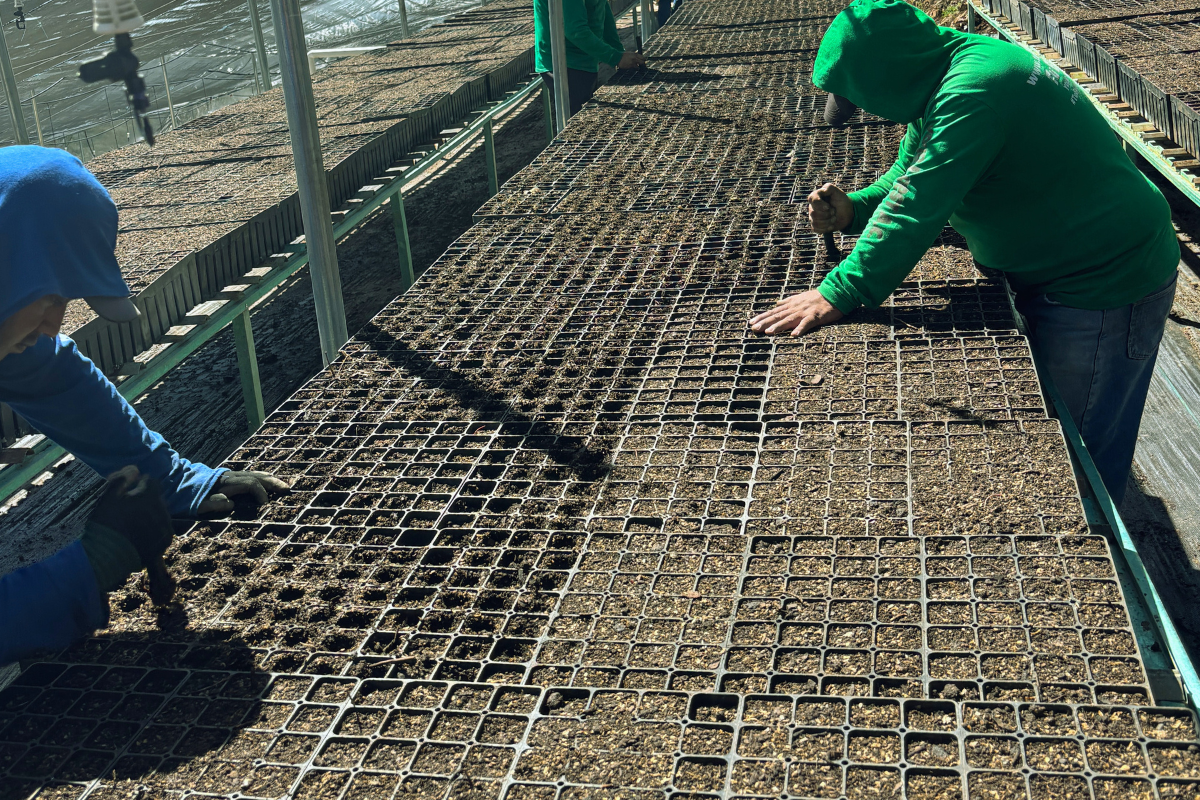
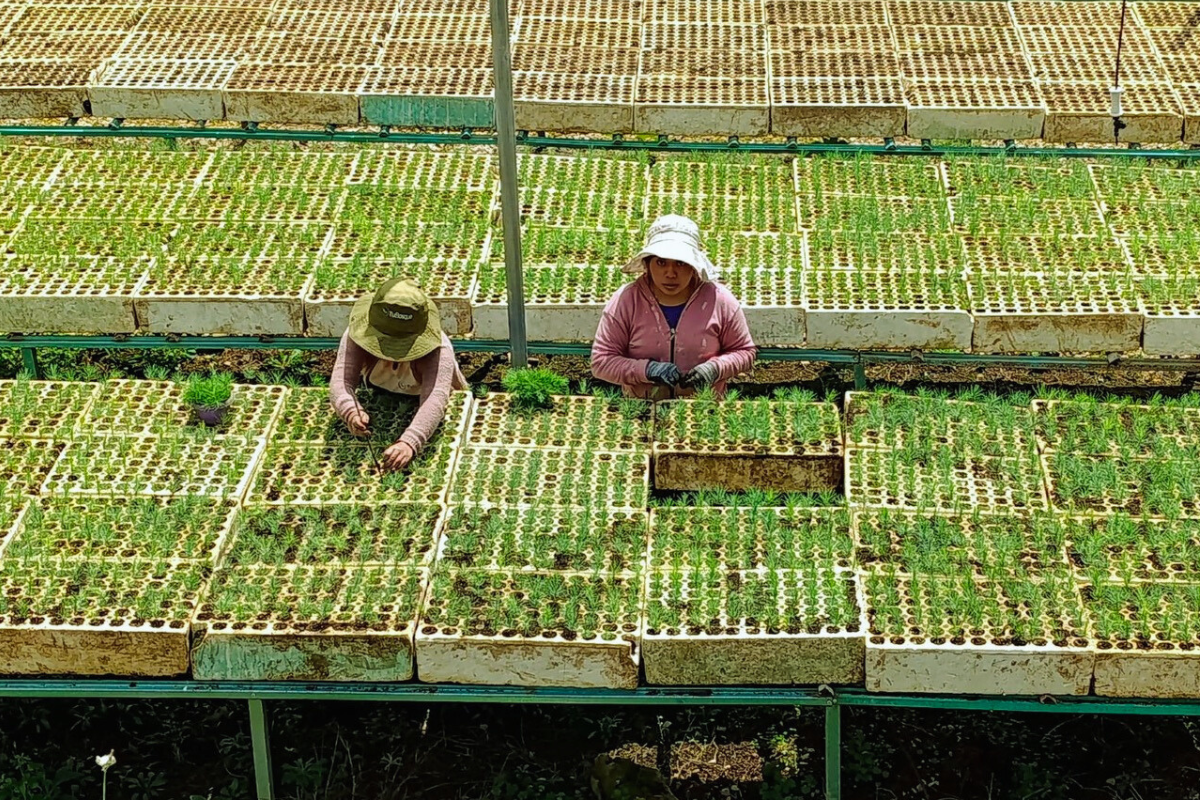
San Nicolás Nursery
Region: The Highlands of Chiapas
Located in the municipal center of San Cristóbal de Las Casas, in a temperate subhumid climate region at 2,200 meters above sea level, with annual rainfall exceeding 1,100 mm.
Production capacity:
🌲 37,778 Forest seedlings, ornamental, and fruit tree seedlings.
🌱 Currently, 11,600 fruit trees from 8 different species are being produced. especies.
Las Manzanas Nursery
Region: The Highlands of Chiapas
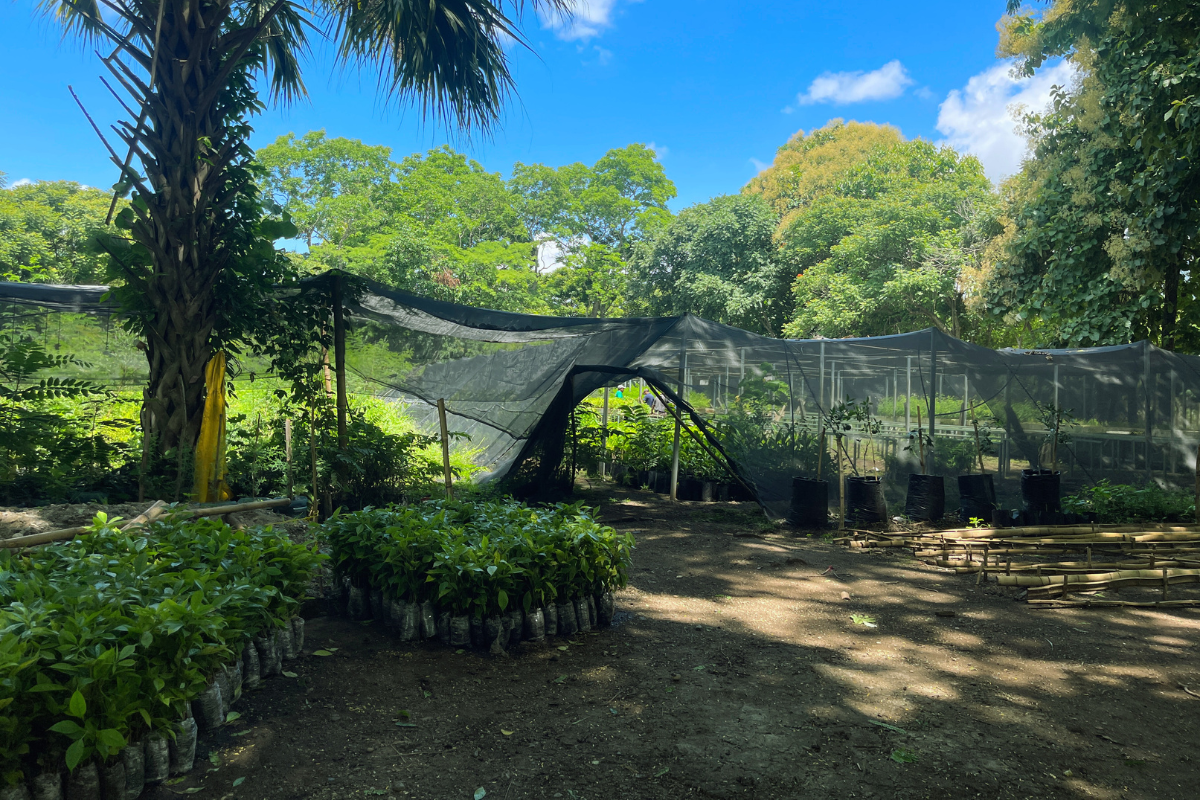
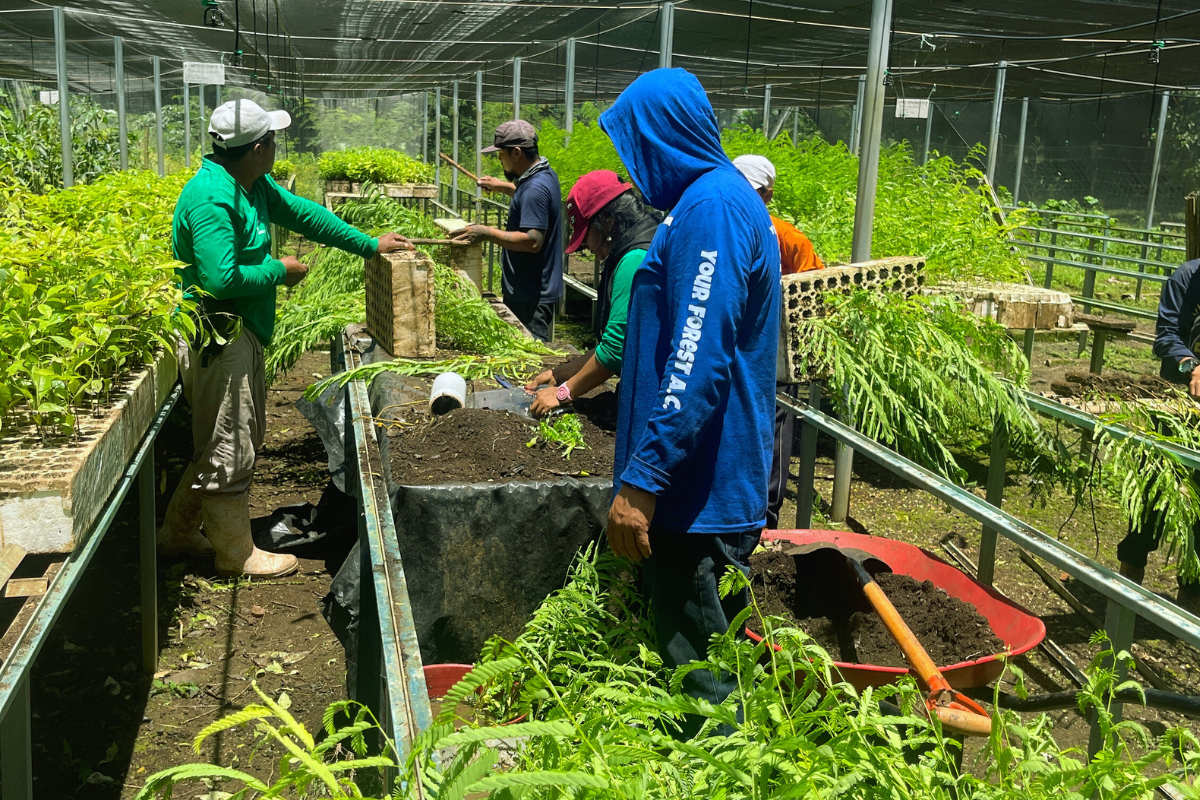
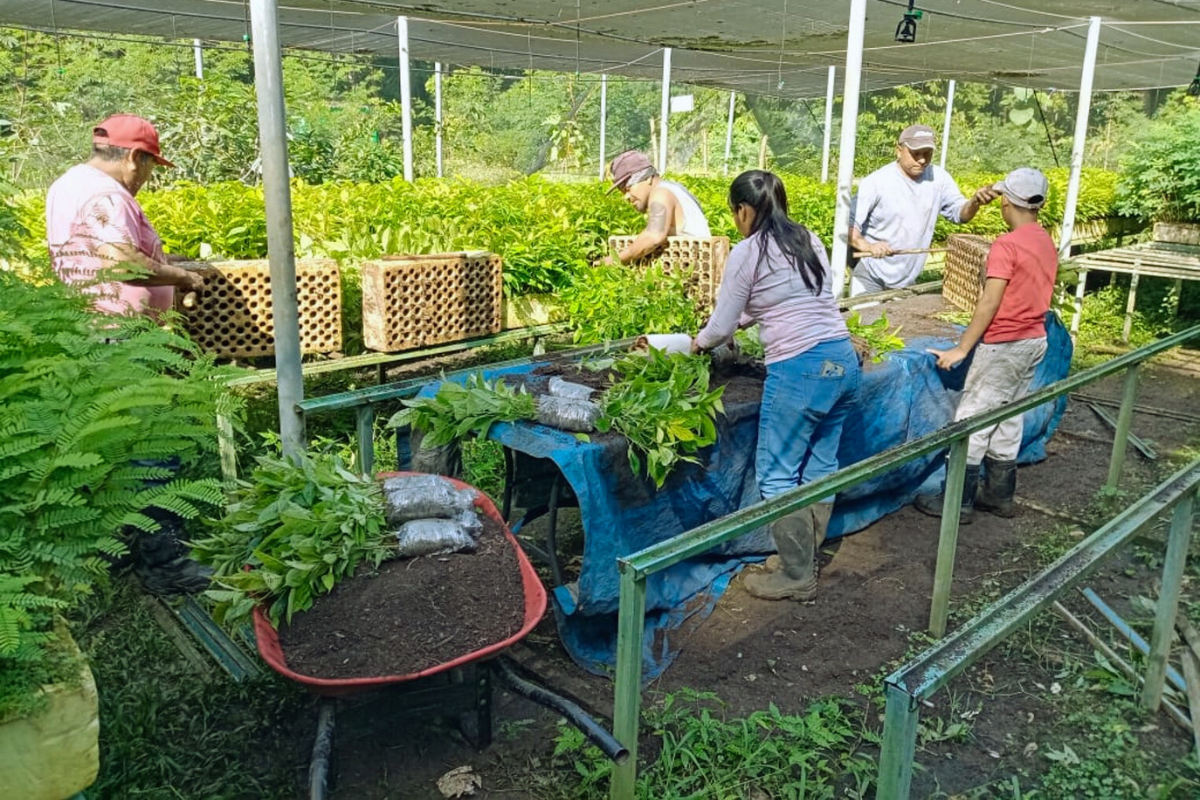
Located in the community of Pozo Colorado, 8.2 kilometers from San Cristóbal de Las Casas, at an altitude of 1,966 meters above sea level, with a highland temperate climate and an average annual rainfall of 1,993 mm.
Production capacity:
🌲 500,000 Forest seedlings
🌱 7 Species produced
San Lucas Nursery
Region: Central Depression of Chiapas
Located in the Central Depression region, in the municipality of San Lucas, with a temperate climate and dry winter, at an altitude of 900 meters above sea level. This nursery operates with two annual production cycles: from January to June and from July to December.
Production capacity:
🌲 320,000 Forest and fruit tree seedlings
🌱 39 species produced
Community and Social Reforestation
We promote tree planting alongside communities and volunteers, strengthening the connection between territory, society, and nature.
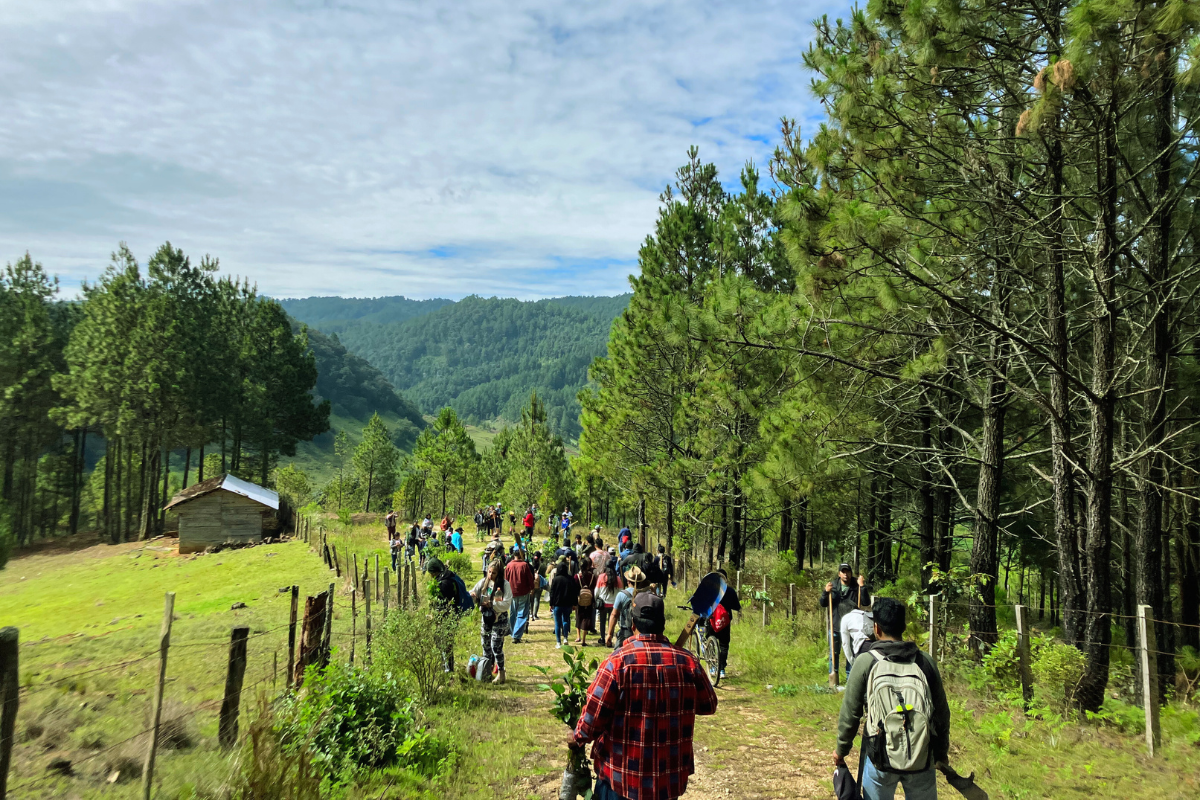
🌳 Community Reforestation
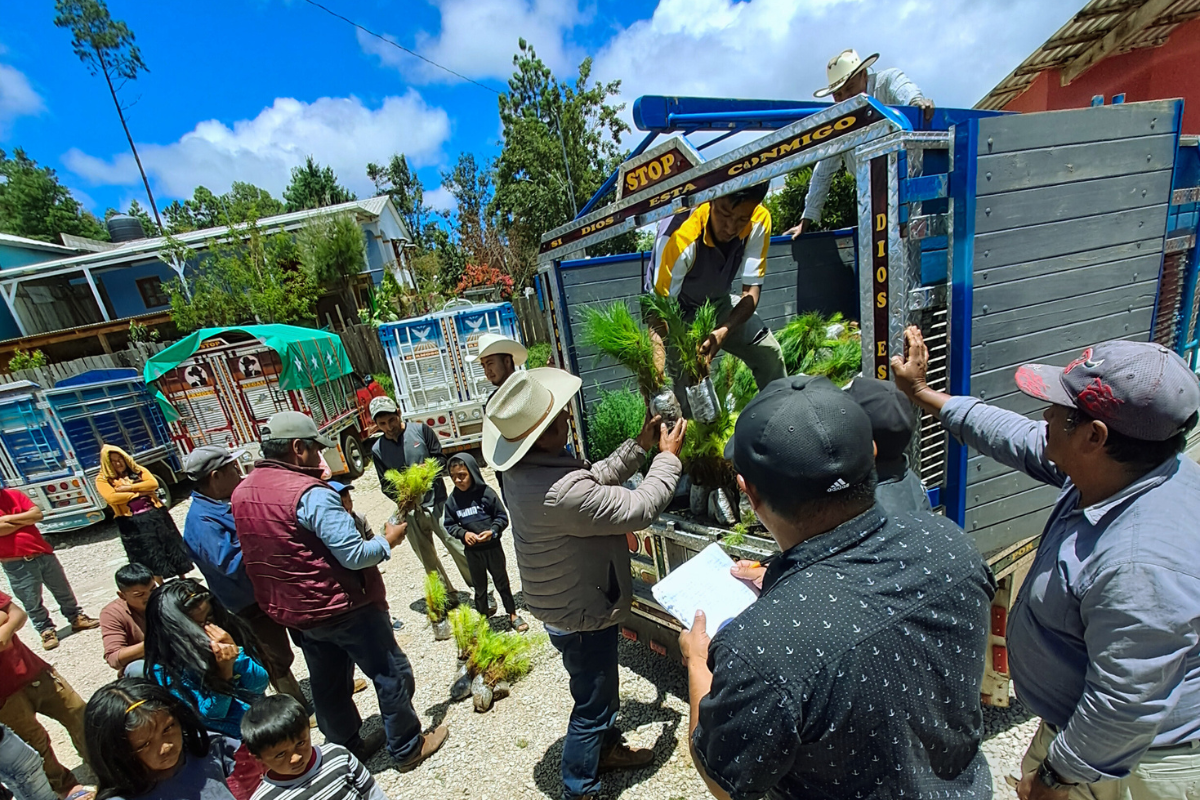
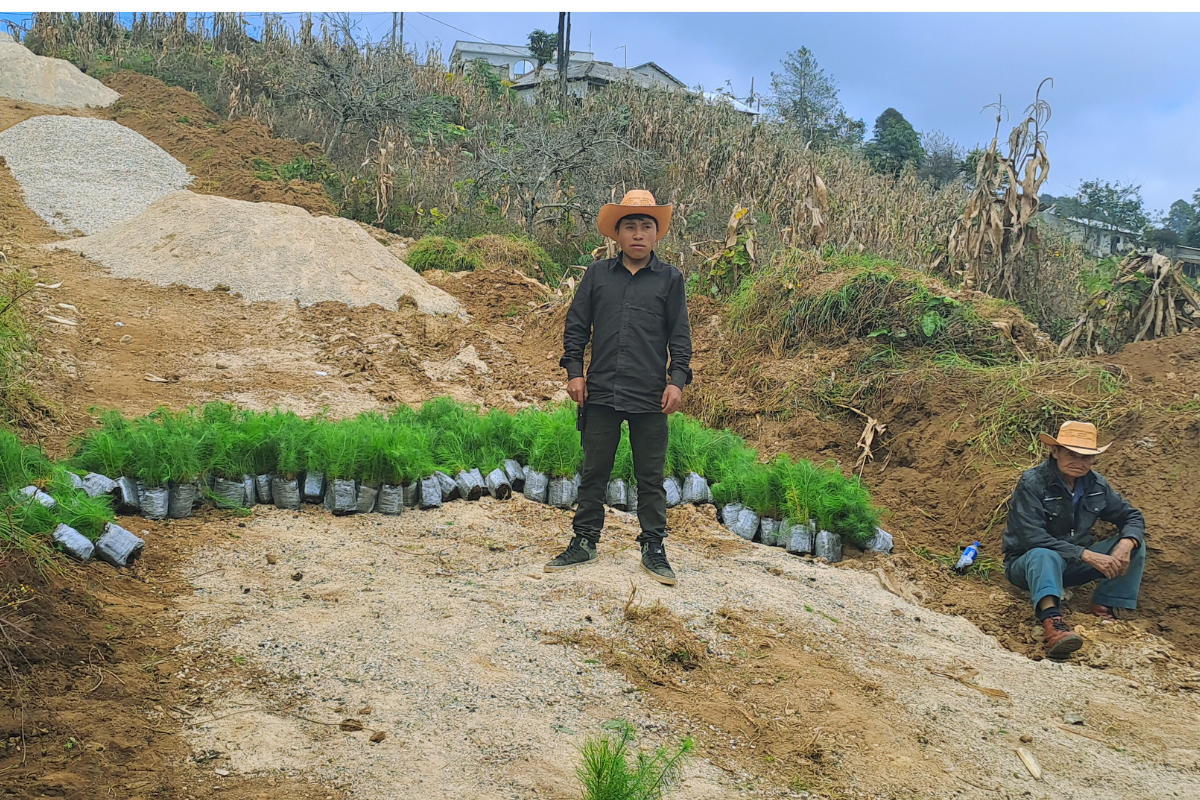
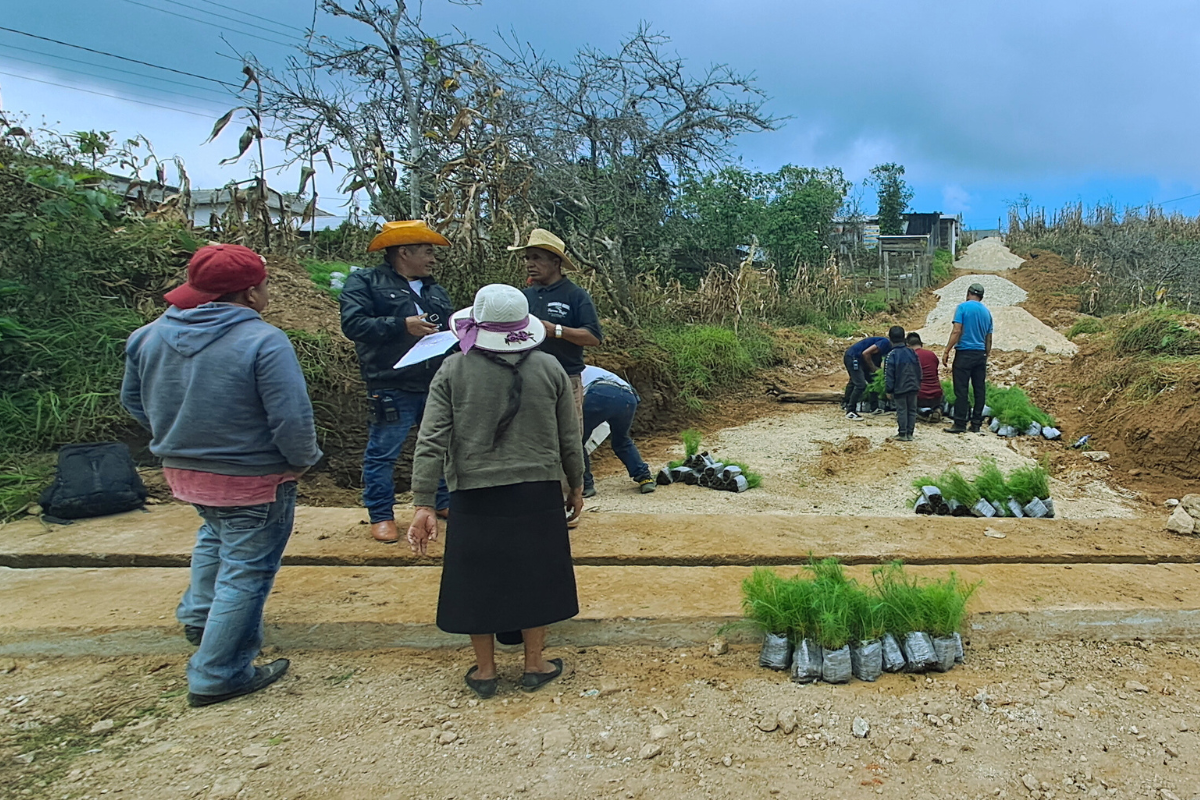
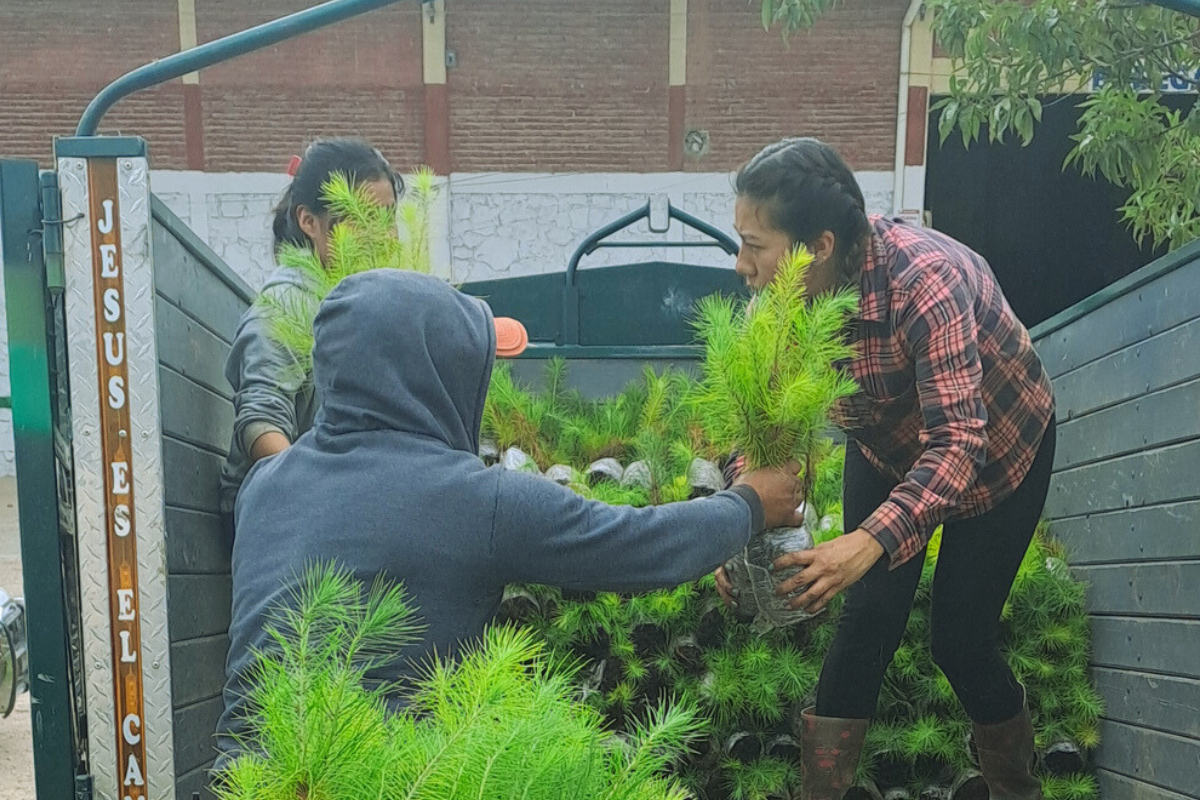
It consists of the large-scale distribution of trees to families, ejidos, and organized groups so they can prepare, plant, and maintain their own plots.
This is the line of action with the greatest territorial impact, as it allows thousands of plants to be dispersed across small areas distributed across different municipalities, strengthening community ownership and long-term care.
Scope:
🌲 High dispersion of seedlings across the territory
👨🏽🌾 Direct participation of families and producers
📍 Small plots with follow-up and monitoring
🌲 Social Reforestation
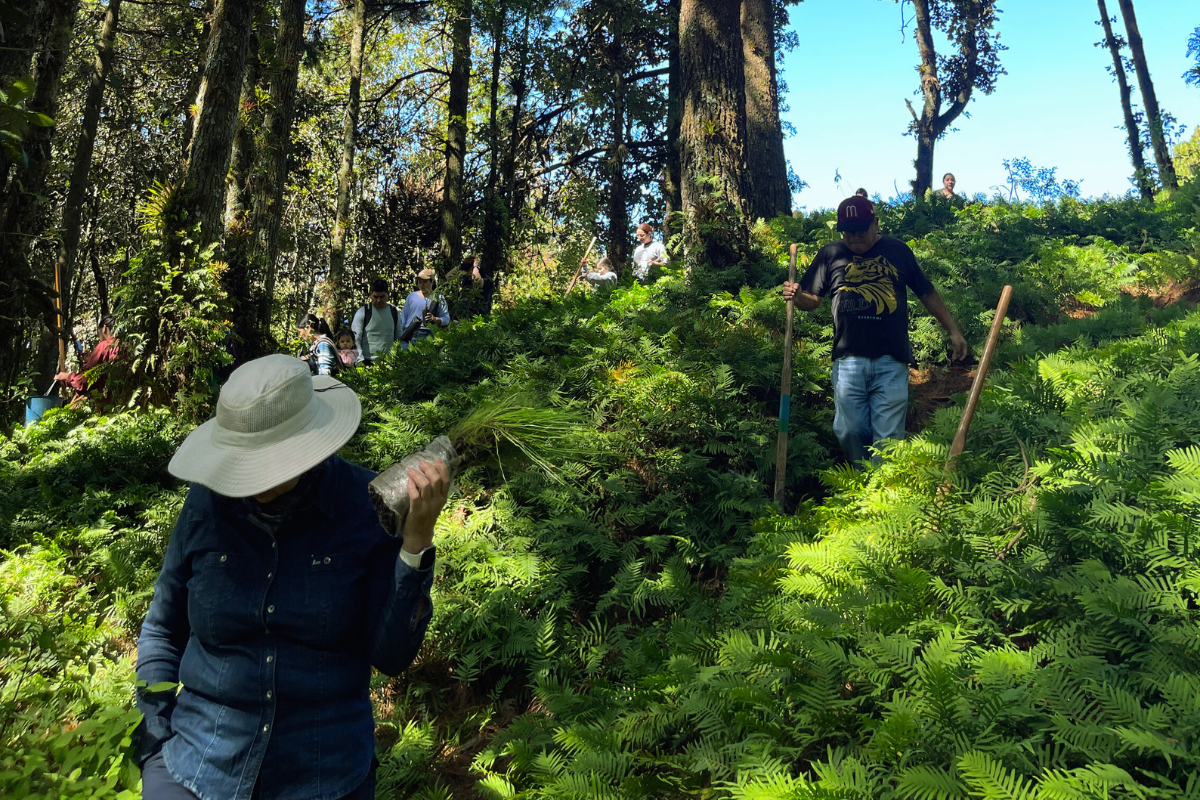
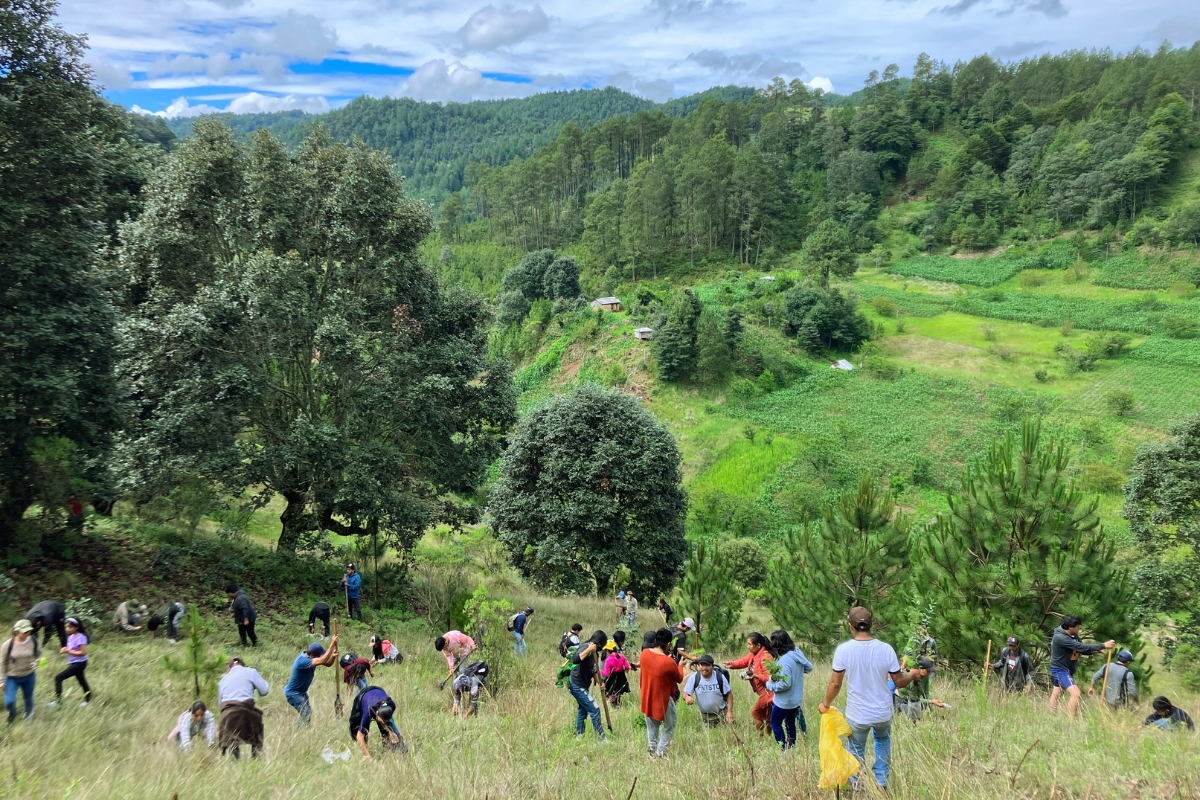
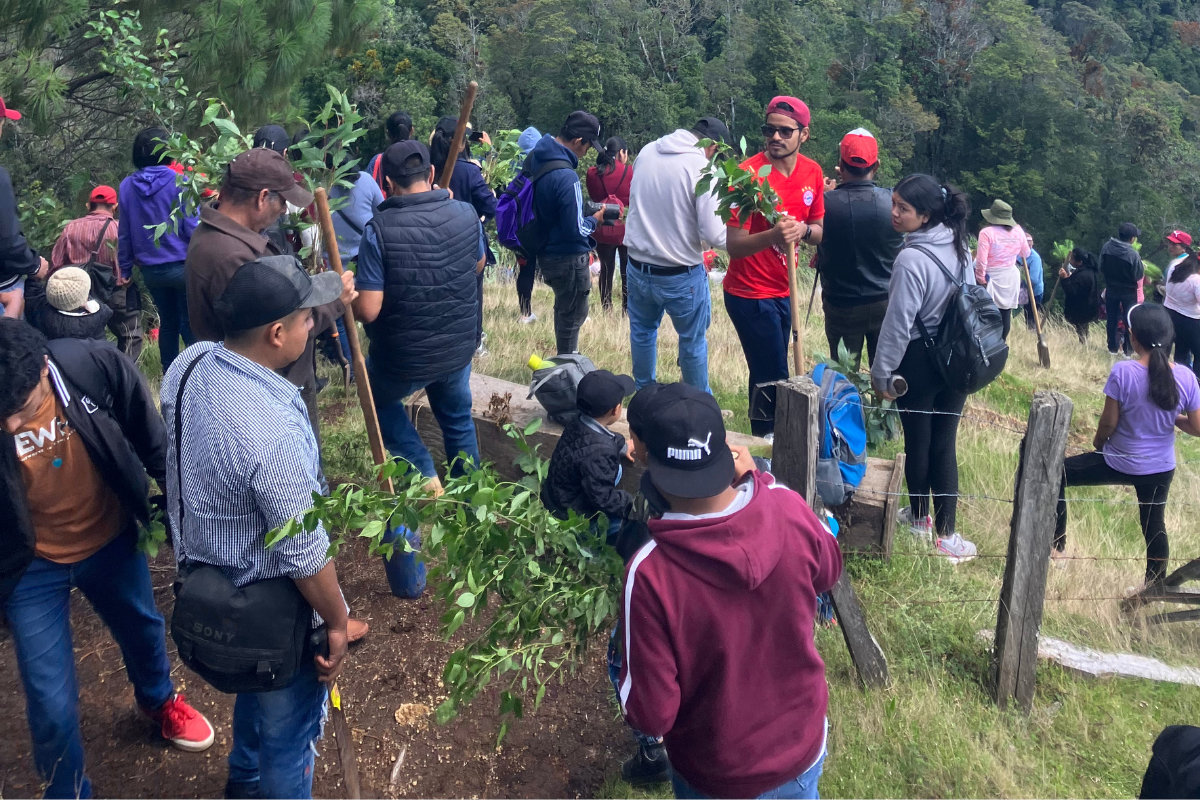
They are organized events that bring together volunteers, institutions, companies, and local communities to carry out planting days during the rainy season.
These activities aim to strengthen environmental awareness, connect urban populations with the territory, and highlight the importance of forests and ecosystem services.
Scope:
👥 Participation of volunteers and partners
🌧️ Events organized during the rainy season
📣 High educational and awareness impact
Productive Restoration
Actions that regenerate the landscape and strengthen life
🌳 Agroforestry Systems
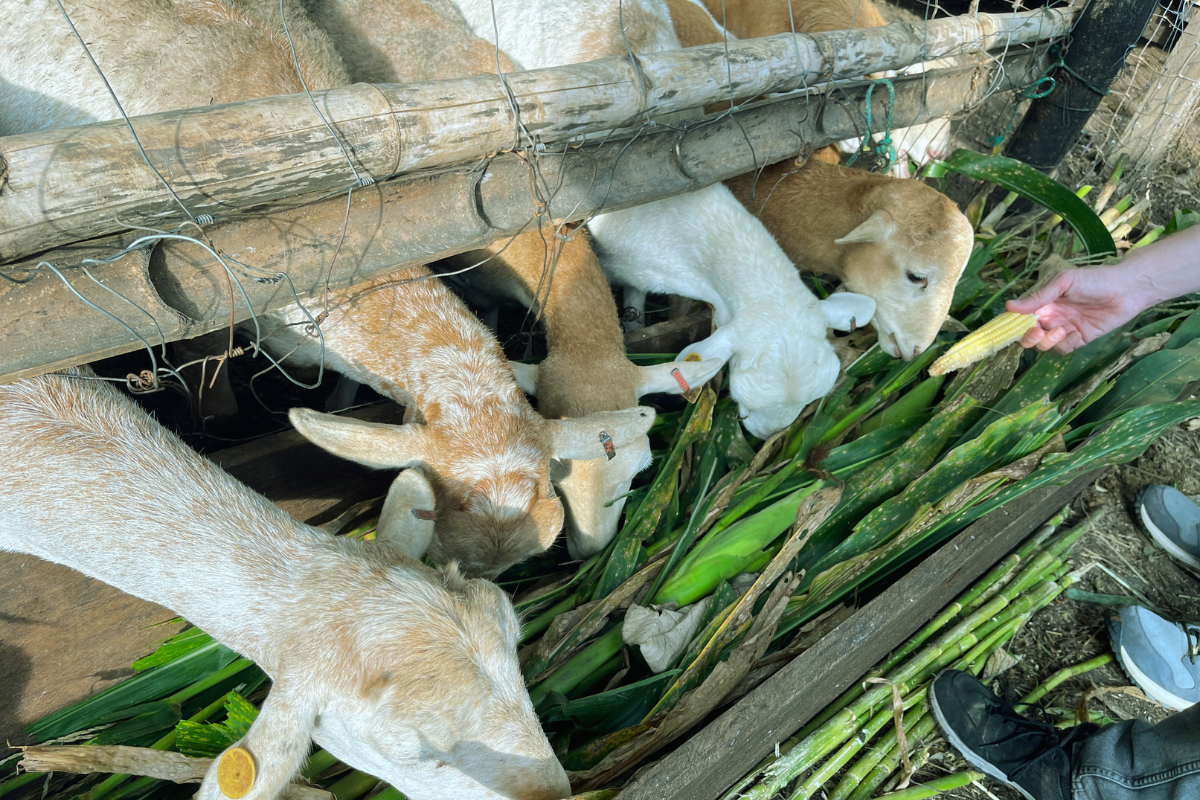
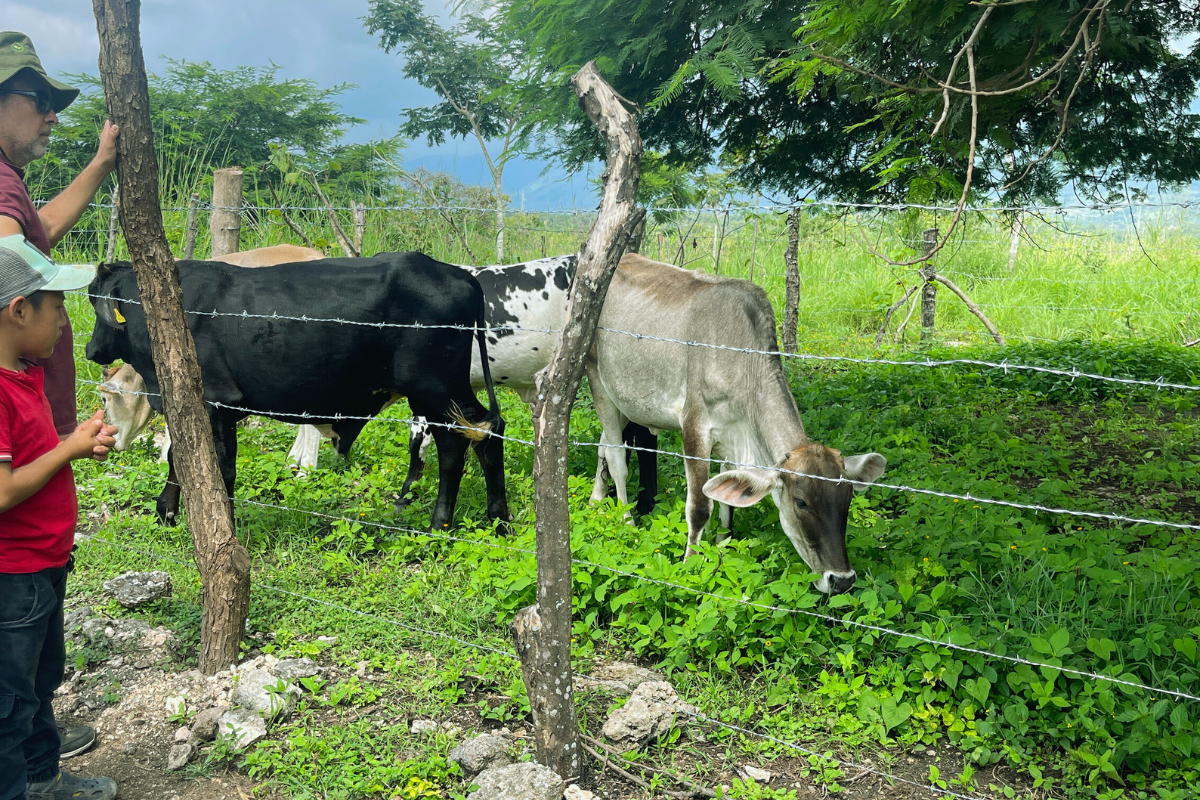
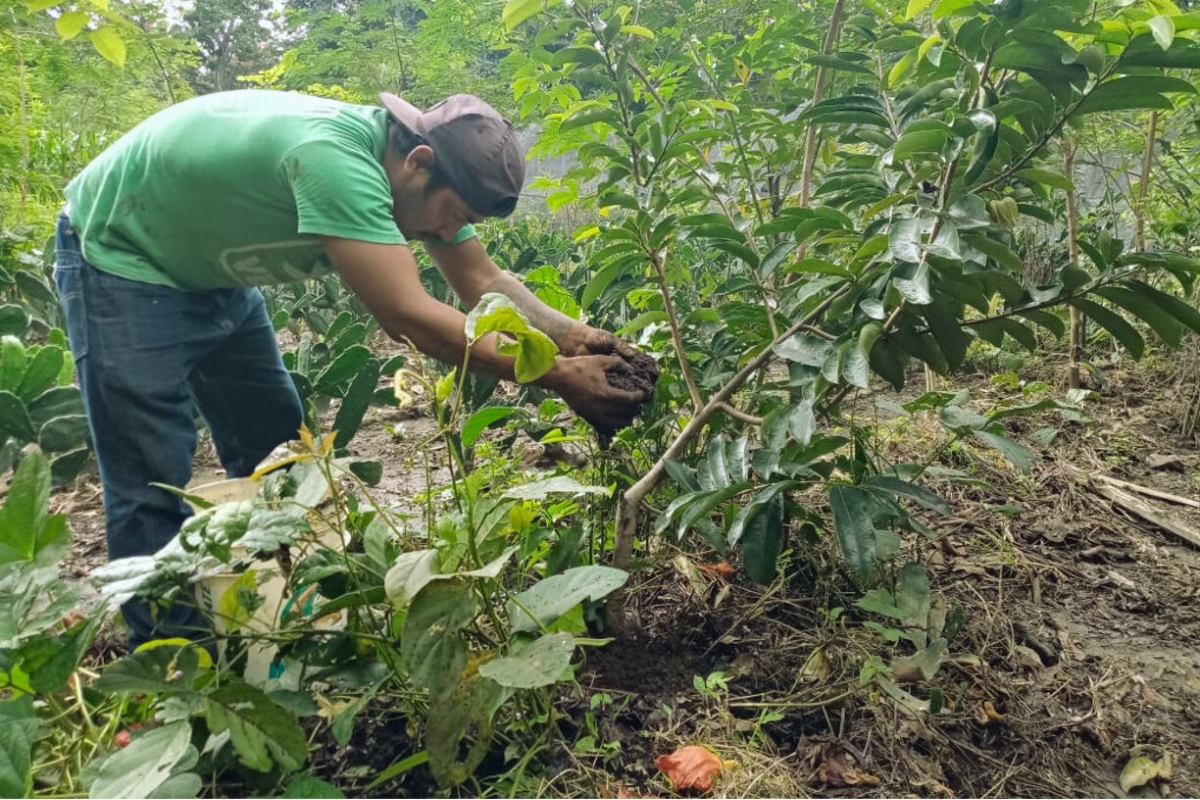
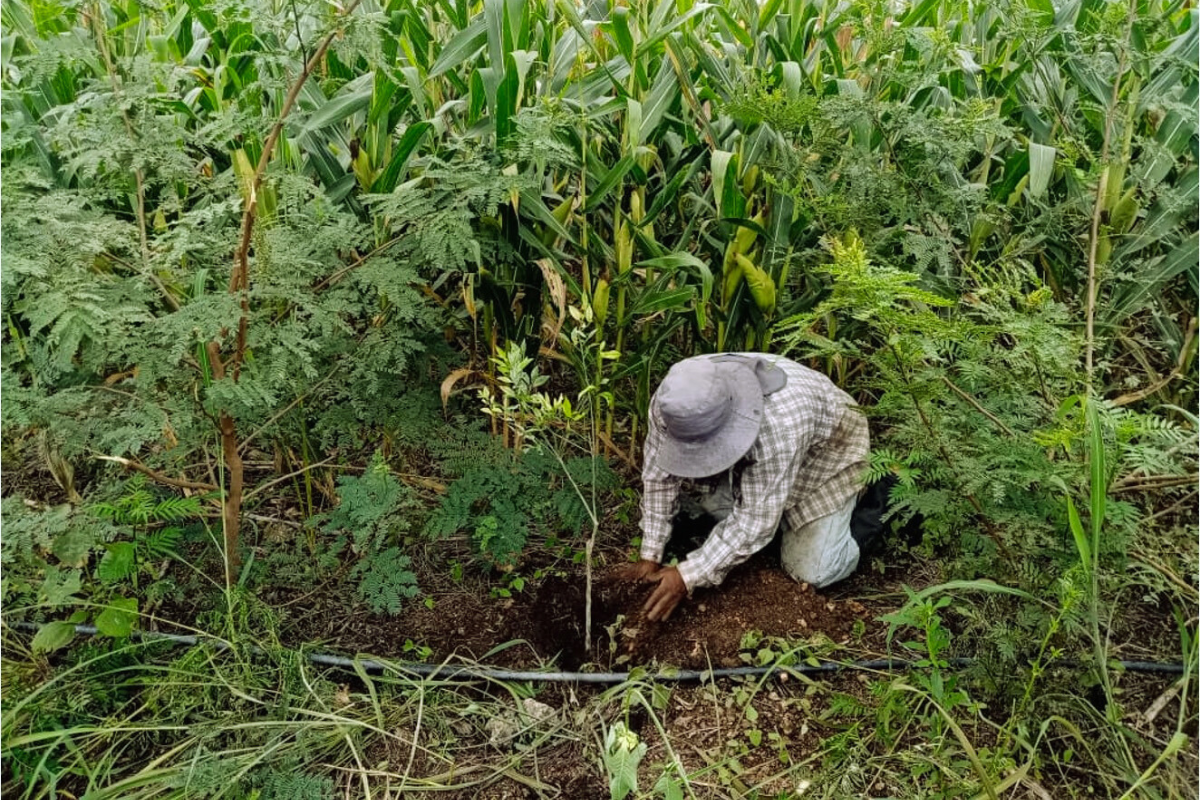
The Agroforestry Systems (AFS): They are one of Your Forest’s core strategies for productive restoration. These are land management models where trees, crops, and, in some cases, animals coexist within the same space, organized in a planned way to regenerate the soil, diversify production, and strengthen family economies.
🌱 Assisted Natural Regeneration
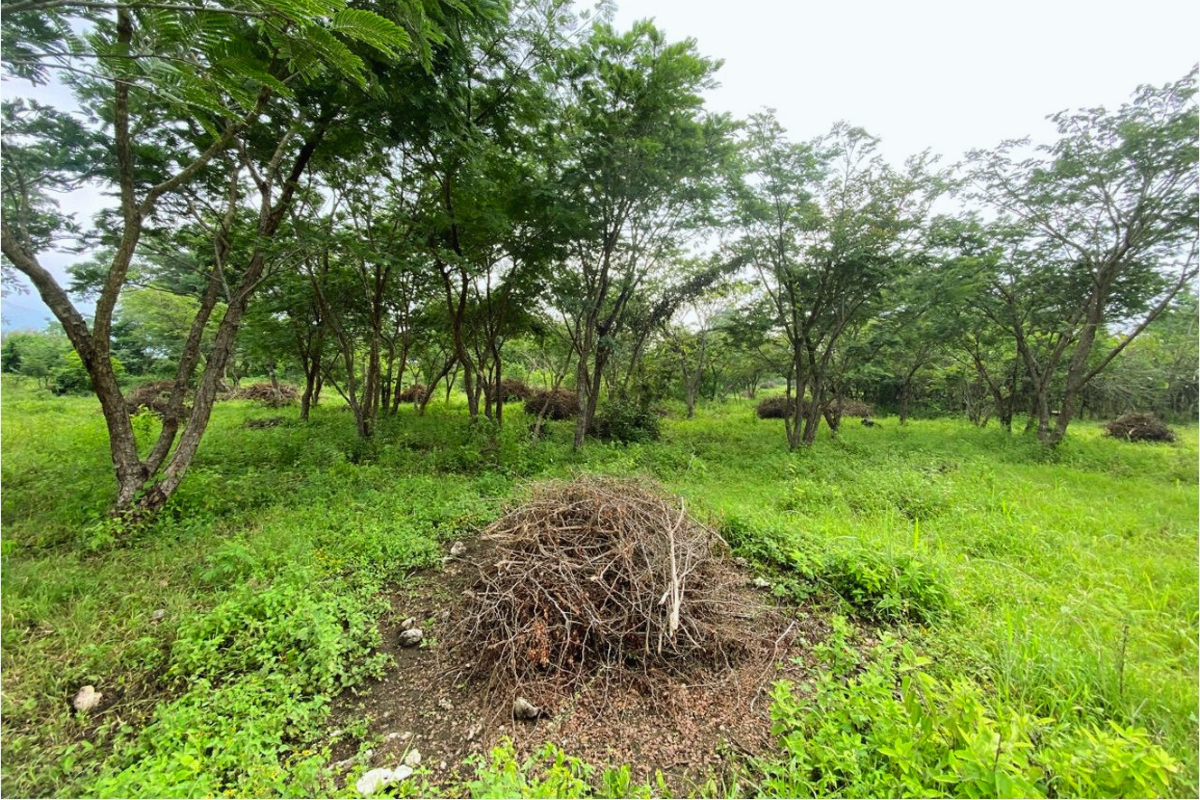
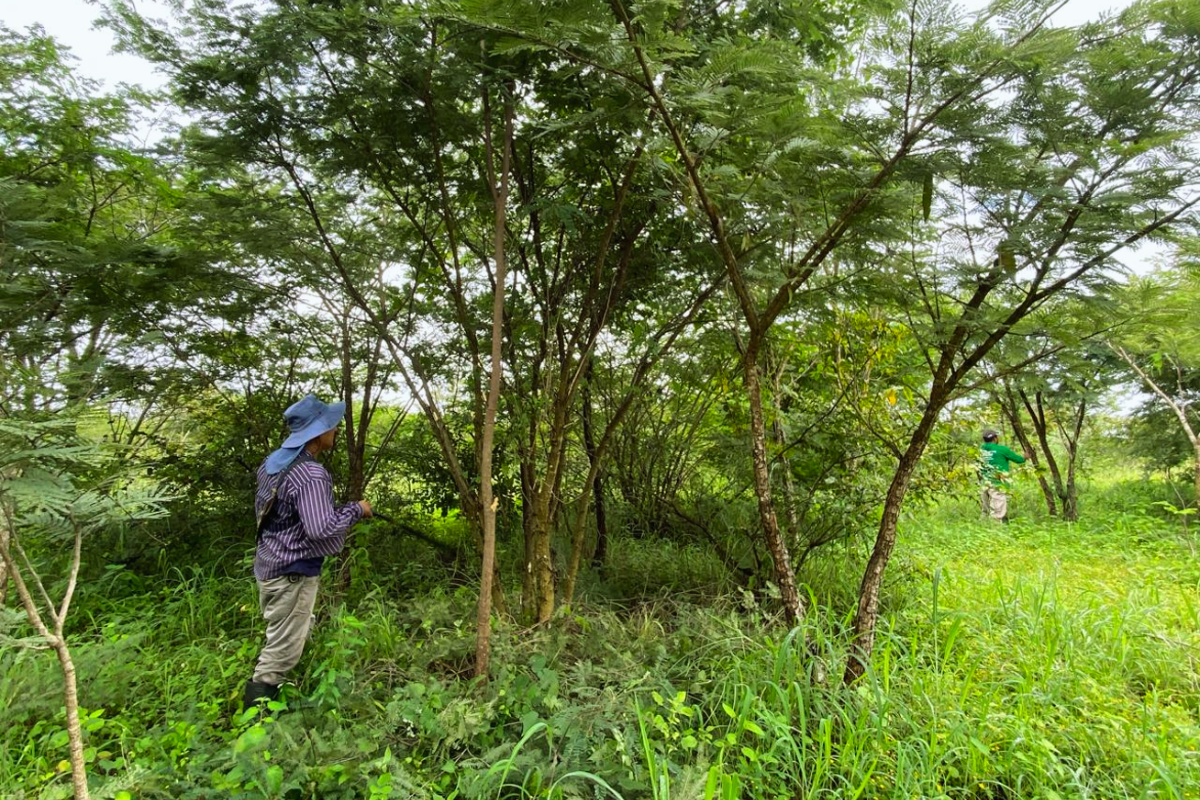
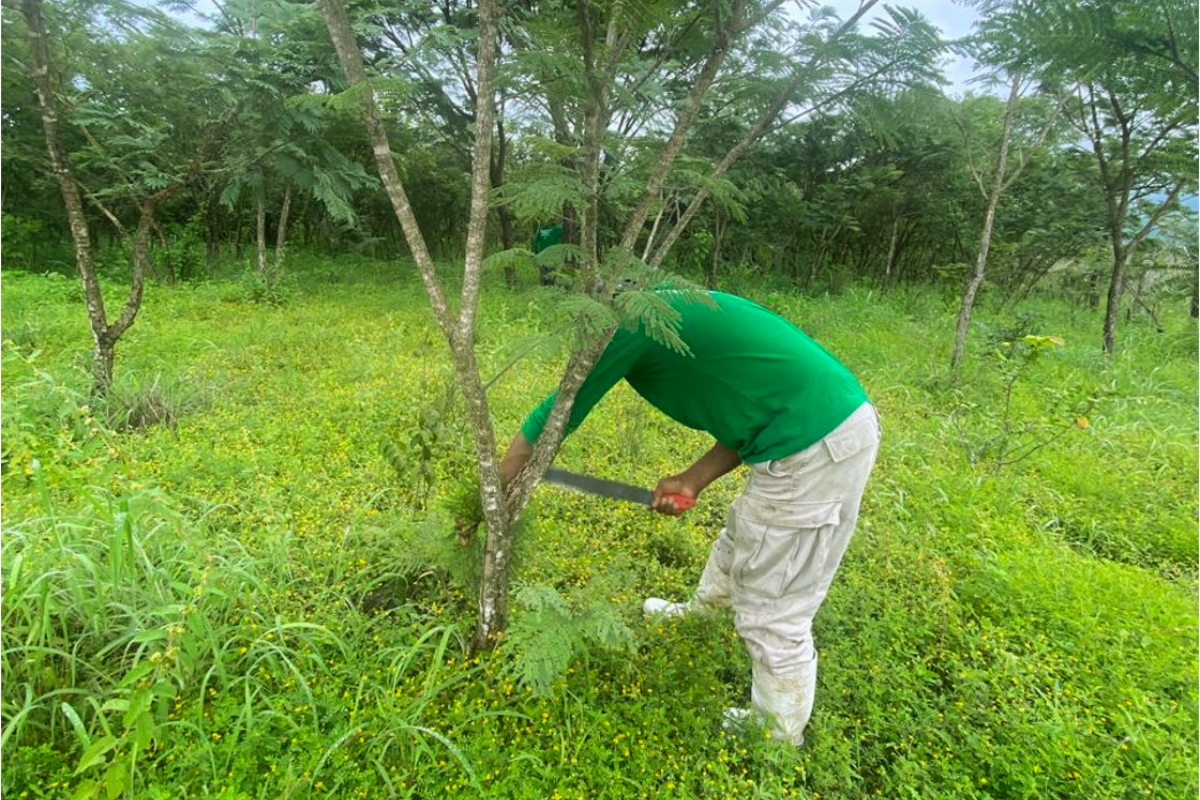
The Assisted Natural Regeneration is a low-cost, high-impact ecological restoration strategy based on protecting and enhancing natural regrowth already present in the territory, en lugar de comenzar desde cero con plantaciones masivas.
Instead of planting new trees everywhere, ANR starts with a simple question:
What is already growing here, and how can we help it thrive?
🌼 Production of Nectar-Producing Species
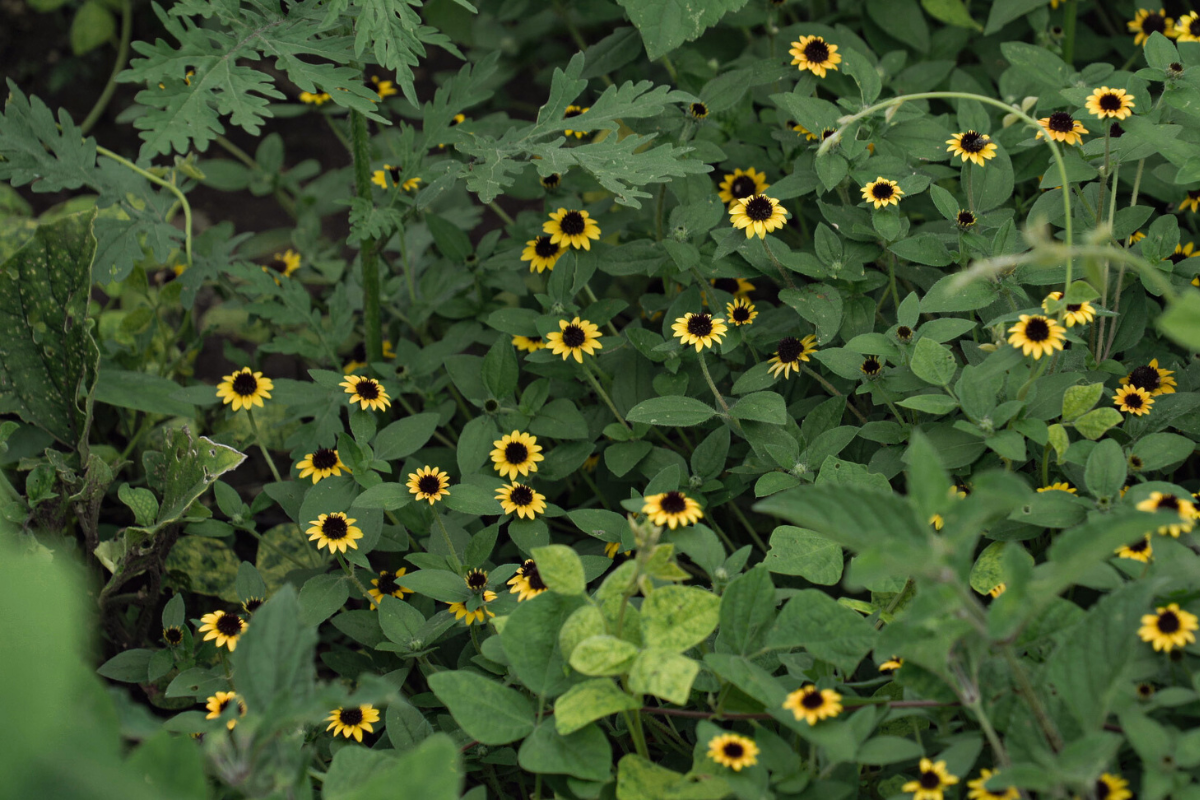
The production of Nectar-Producing Species is part of our productive restoration strategy. It involves propagating and establishing trees and shrubs that provide nectar and pollen for bees and other pollinators, integrating them into reforestation processes, Agroforestry Systems (AFS), and living fences.
Restoring the territory also means restoring pollination networks that sustain life, biodiversity, and food production.
🧪🌱 Agroecological Bio-Inputs
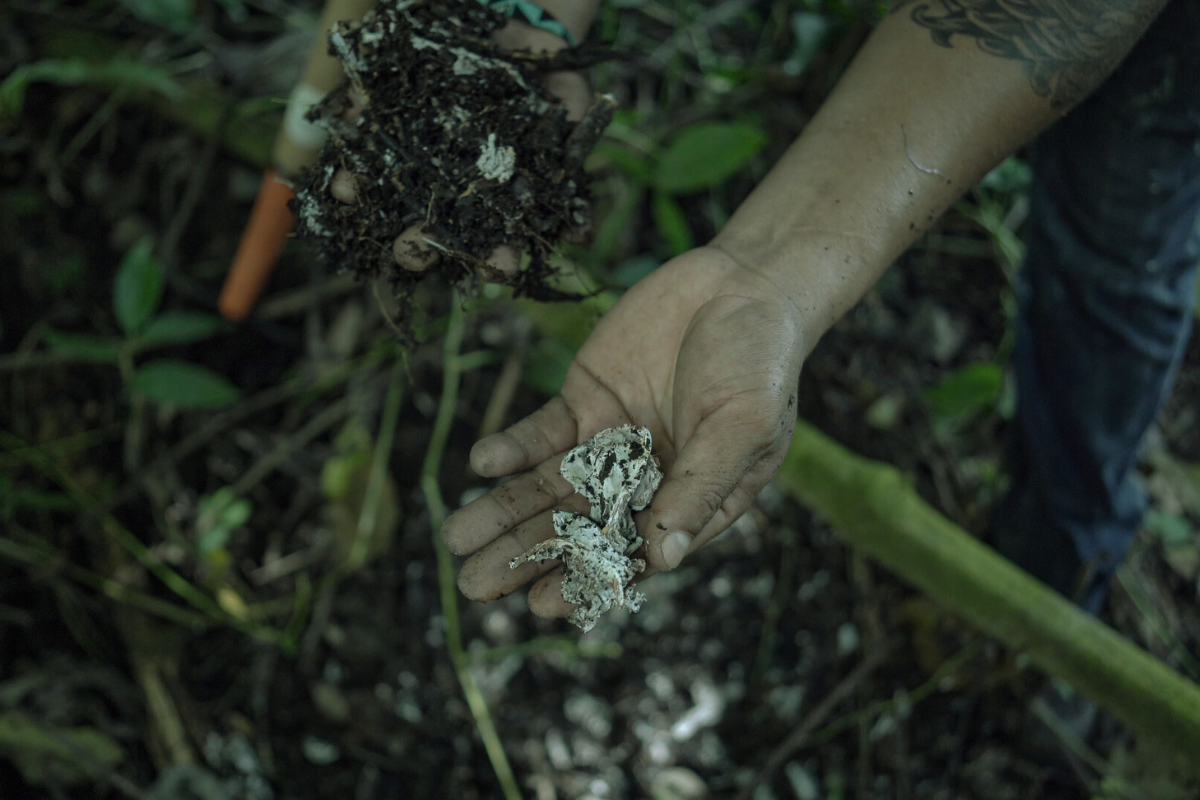
The agroecological Bio-Inputs They are natural preparations made from local resources such as manure, plant residues, minerals, and beneficial microorganisms that enable nourishing the soil, strengthening plants, and preventing pests in a sustainable waysustain the productivity of the territory.
At Your Forest, biofertilizers are not an isolated complement, but a structural tool that supports ecological restoration, Agroforestry Systems (AFS), nursery production, and plots in productive transition.
🌎 Soil Conservation Works
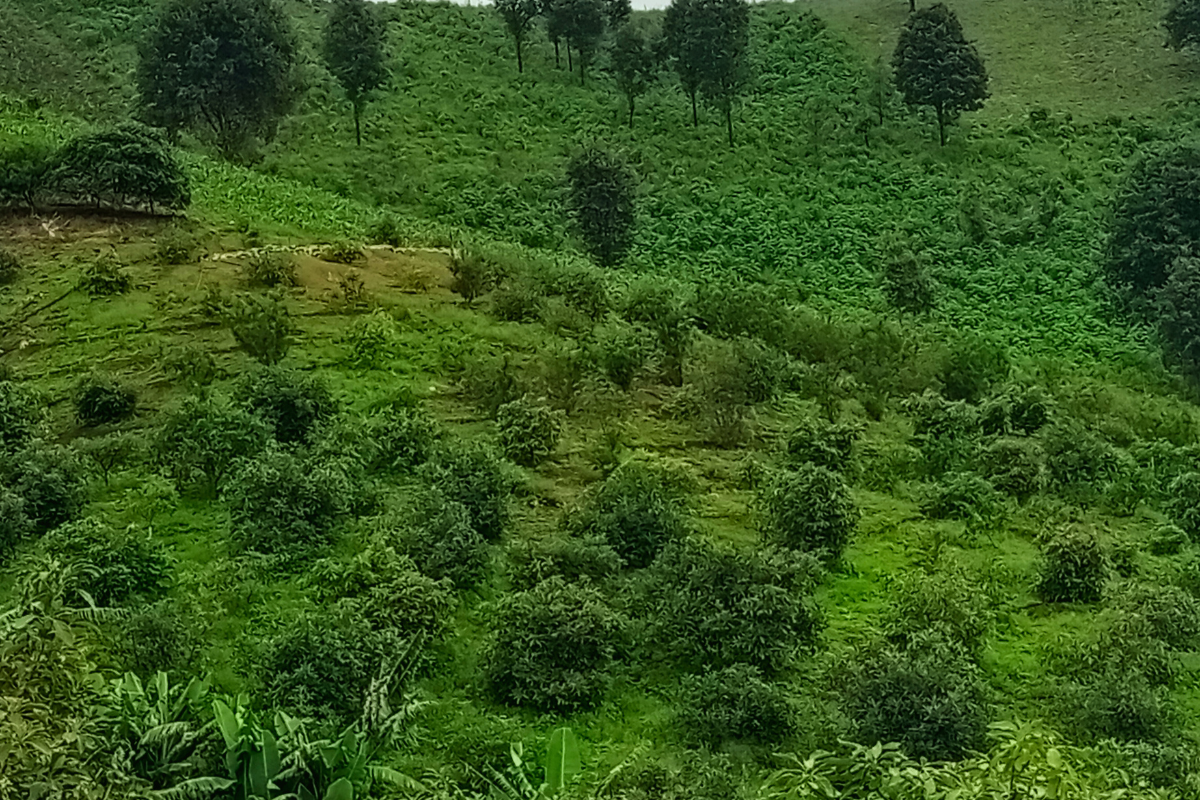
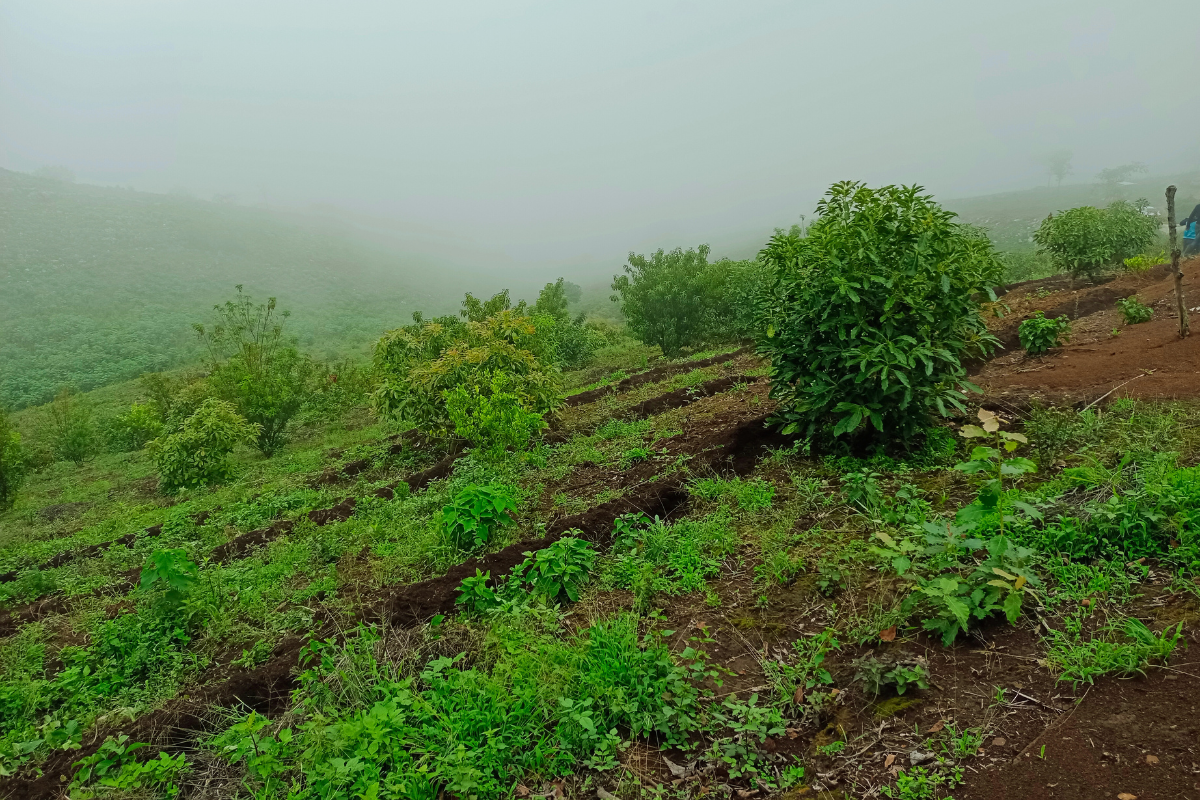
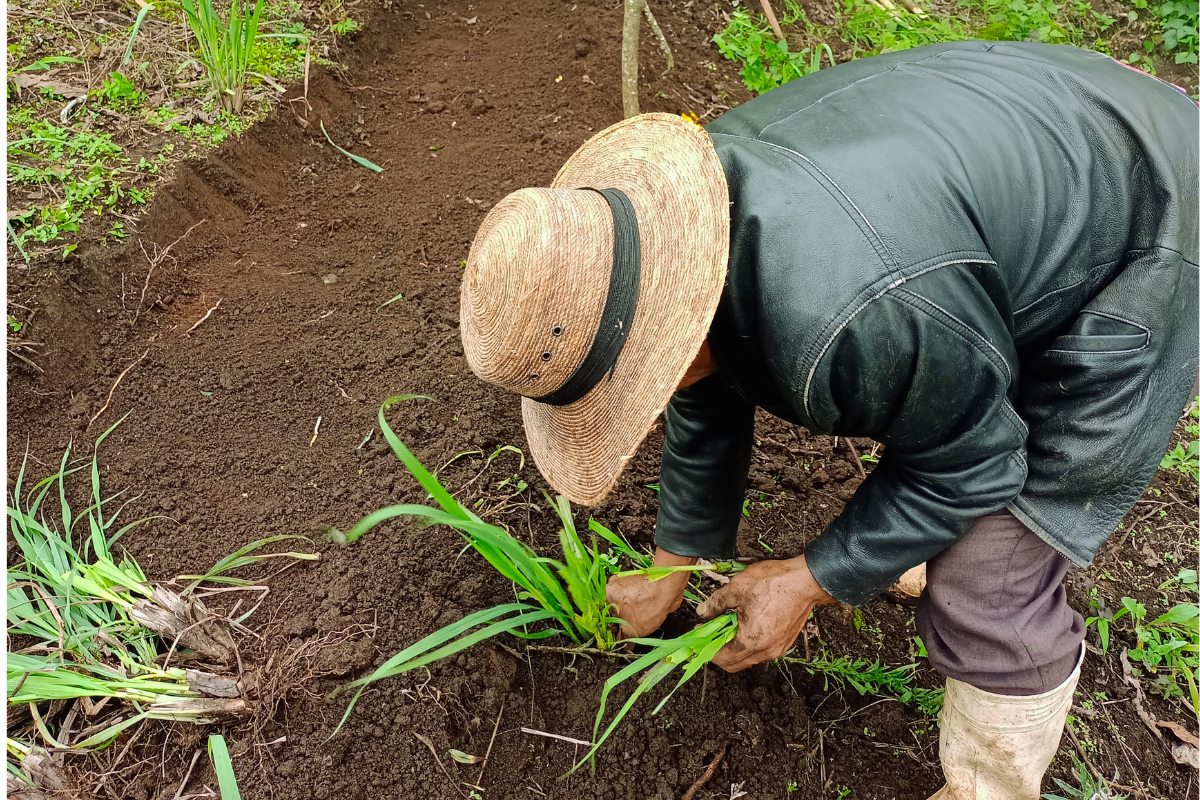
The Soil Conservation Works are technical interventions designed to stop erosion, improve water infiltration, and restore soil fertility..
In territories with slopes, heavy rainfall, or degradation caused by agricultural and livestock use, the soil quickly loses its fertile layer. Without living soil, no forest is possible.
For this reason, before or alongside reforestation and Agroforestry Systems, we work on retaining soil and water within the territory.
🌿 Environmental Education
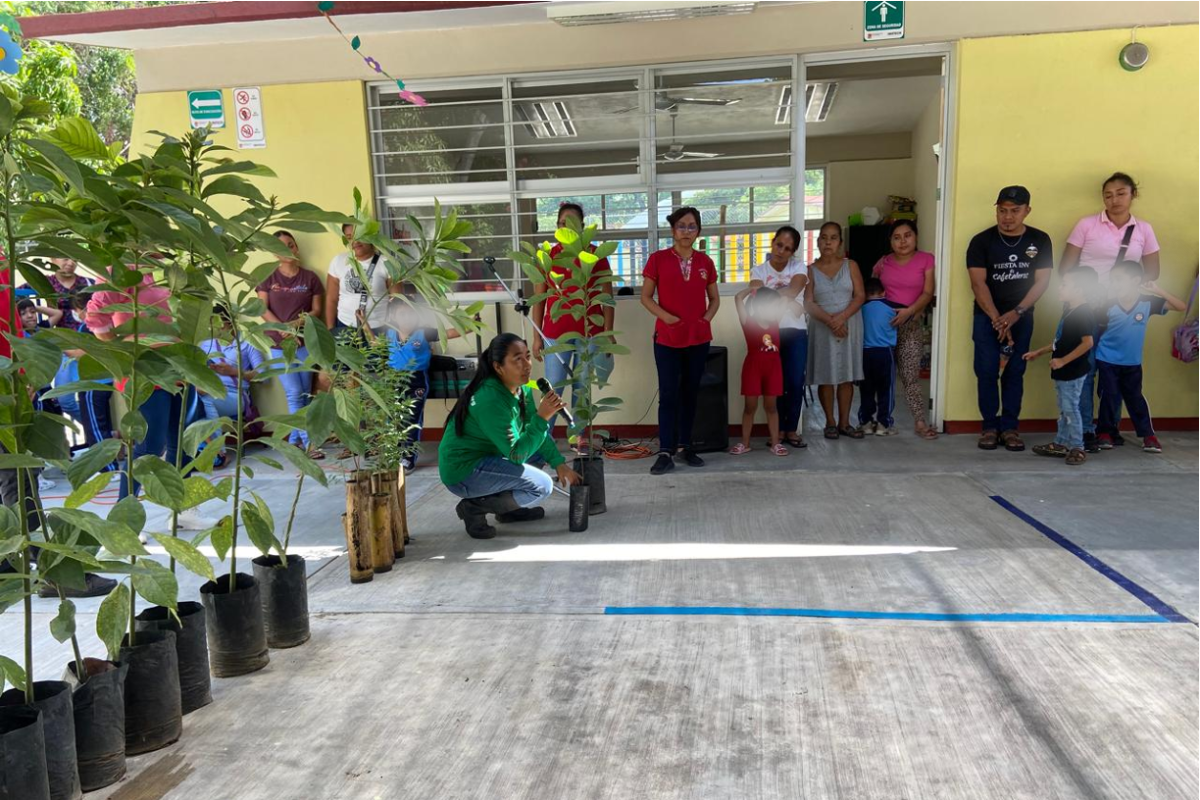
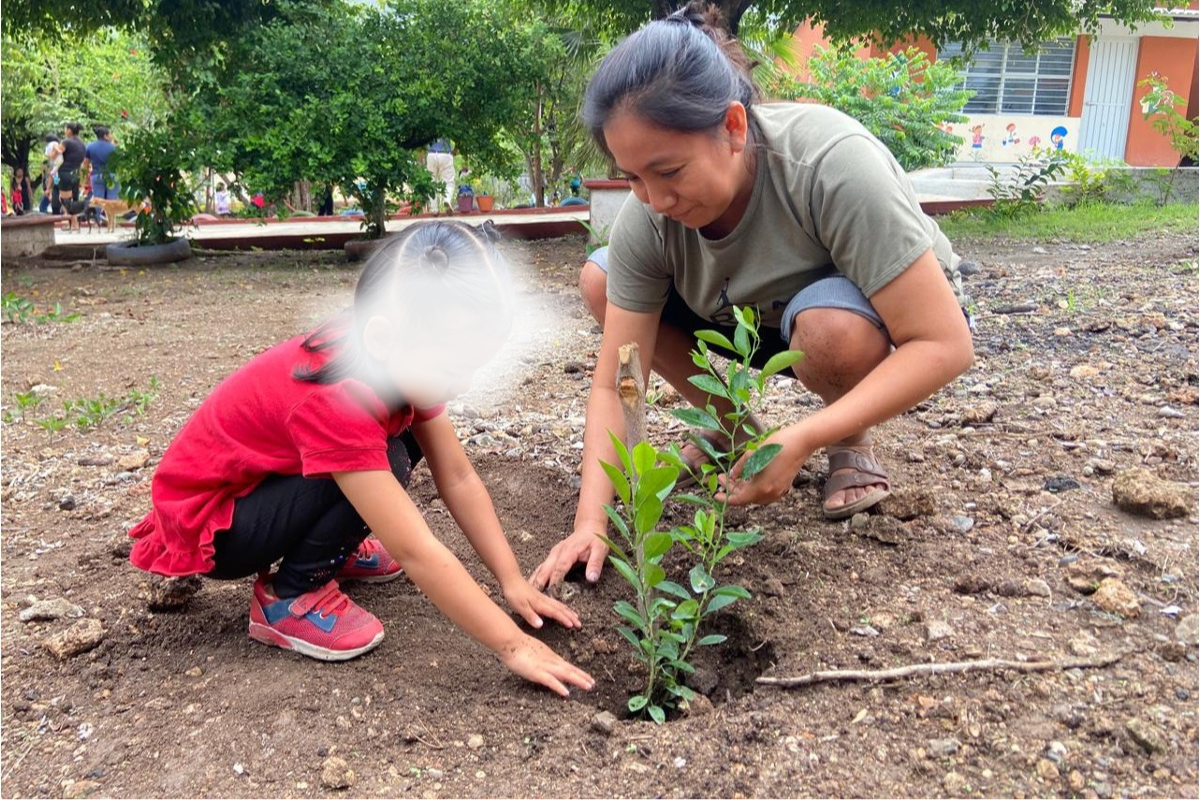
The Environmental Education: is one of Your Forest’s strategic pillars. We believe that ecological restoration does not occur only in the field, but also in people’s awareness.
Planting trees is important.
But planting knowledge and a sense of stewardship over the territory is what ensures those trees survive.
Where We Work
Our work takes place in two key regions of Chiapas, each with distinct climates, ecosystems, and community dynamics. We adapt our strategies to each territory while maintaining a shared vision of ecological restoration and community strengthening.
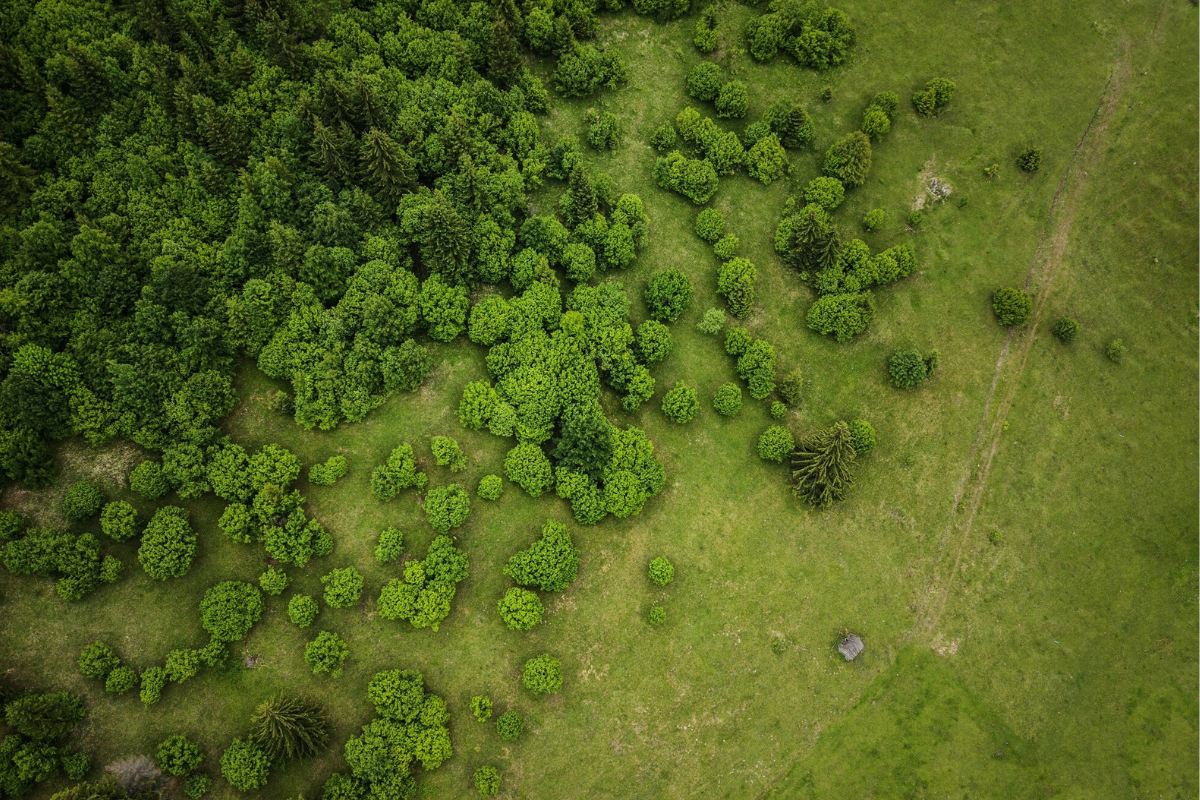
The Highlands
• Production of temperate forest seedlings in three regional nurseries (Humedales, San Nicolás, and Las Manzanas), with native species adapted to pine–oak forests.
• Community and social reforestation through the distribution of trees to families and organized groups, as well as collective planting events with volunteers.
• Technical support for Indigenous and rural communities to implement agroforestry systems, intercropped milpa with fruit trees (MIAF+), and wood and forage banks.
• Soil and water conservation works: contour lines, infiltration trenches, water retention structures, and restoration of degraded plots.
• Environmental education and community strengthening through workshops, exchange visits, and on-site technical follow-up.
• Production of inputs and biological materials in our agroecological laboratory to support the regenerative transition.
• Monitoring and georeferencing of reforested plots to evaluate impact and ensure the continuity of restoration processes.
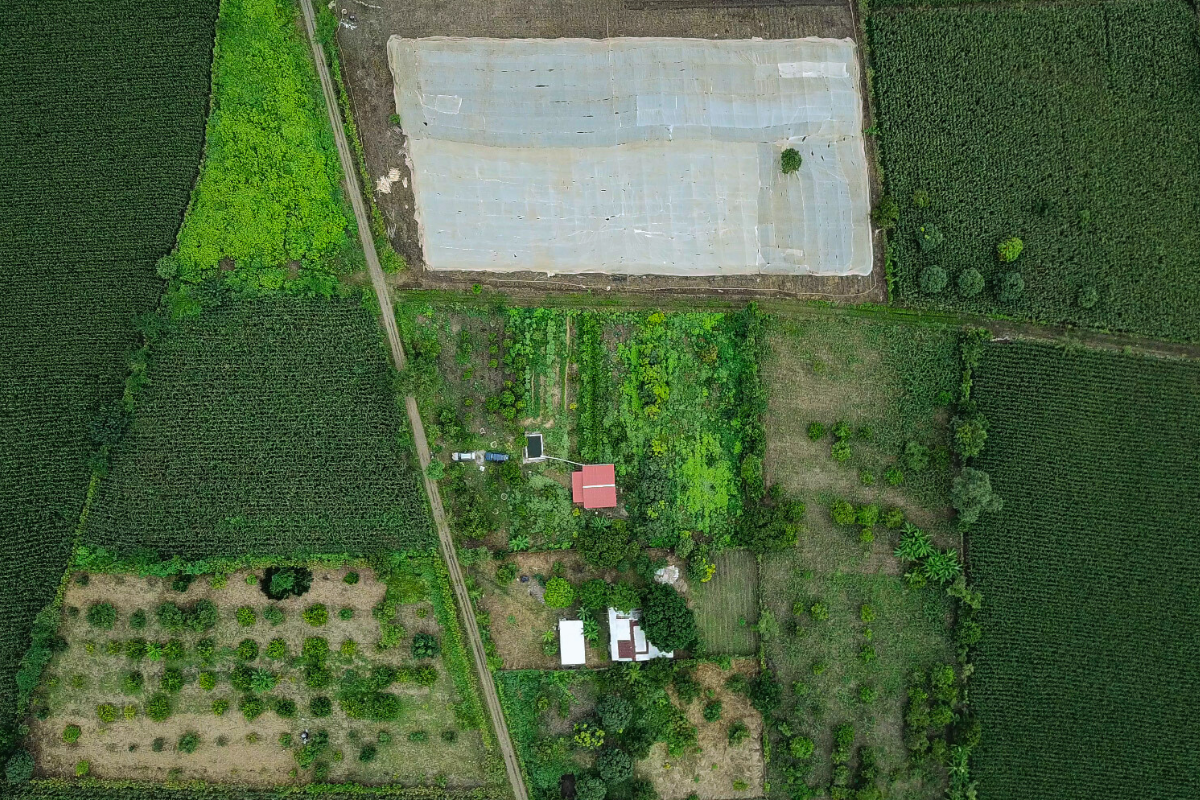
Central Depression
• Production of forest and fruit tree seedlings at the San Lucas nursery, with two annual cycles adapted to the tropical climate.
• Reforestation in communities, schools, and institutions through the organized donation and distribution of seedlings across different municipalities in the region.
• Implementation of agroforestry systems (AFS) and silvopastoral systems that integrate trees, crops, and livestock to regenerate productive landscapes.
• Community-based management for natural regeneration (FMNR), formative pruning, and restoration of degraded plots.
• Production of bio-inputs in the biofactory: biol, mountain microorganisms, and sulfocalcic solution to support the agroecological transition.
• Demonstration plots and technical training spaces to strengthen regenerative practices with local producers.
• Monitoring and follow-up of reforested and agroforestry plots to evaluate ecological and productive impact.
Impact Map
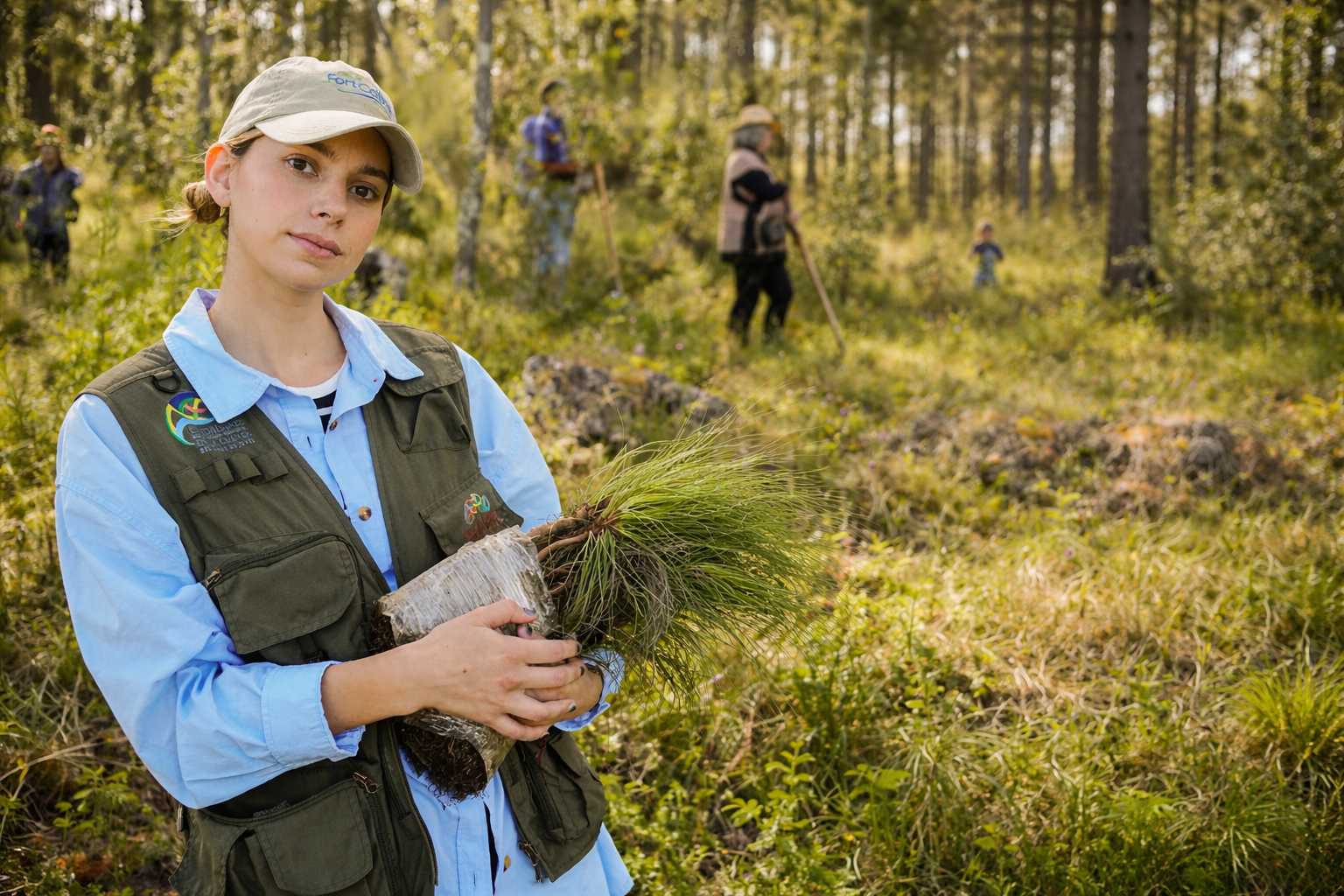
Join community volunteering
Support long-term processes in environmental education, monitoring, documentation, communication, or community work.